


Each year, more than 800,000 Americans undergo knee replacement surgery, yet many patients admit afterward, “There were things I wish I knew before ACL surgery.” From unrealistic recovery timelines to underestimating physical therapy, there’s a lot that orthopedic surgeons wish their patients understood before the big day.
If you’re preparing for a knee replacement or even exploring related procedures like ACL or ankle surgery, this guide breaks down what top surgeons across the U.S. want you to know, so you walk in informed and walk out stronger.
1. Understanding Knee Replacement Surgery
A knee replacement (also called knee arthroplasty) involves replacing the damaged portions of the joint with an artificial implant made of metal and high-grade plastic. It’s often recommended when severe arthritis or joint injury makes everyday activities painful or impossible.
There are two main types:
- Total Knee Replacement (TKR): Replaces the entire joint.
- Partial Knee Replacement (PKR): Replaces only the affected part of the knee.
Recovery can take 3–6 months and knowing what to expect early on can help you prepare mentally and physically. According to the Cleveland Clinic, more than 90% of patients experience improved mobility and reduced pain for 10 to 15 years.
If you’ve ever caught yourself wondering what I wish I knew before knee surgery, start by understanding what the procedure actually involves and what realistic recovery looks like.
2. Who Should Consider Knee Replacement Surgery?
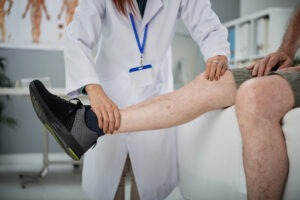
Knee replacement surgery isn’t for everyone. Orthopedic surgeons typically recommend it when conservative treatments like physical therapy, medications, or injections can no longer provide relief.
You might consider knee replacement if you:
- Have chronic knee pain that limits daily activities such as walking, climbing stairs, or sleeping comfortably.
- Experience severe stiffness or reduced range of motion that prevents you from bending or straightening your knee.
- Have advanced arthritis or joint damage confirmed by X-rays or MRI.
- Are motivated to improve mobility and quality of life through surgery and post-op rehabilitation.
It’s worth noting that age alone isn’t a barrier. Many people in their 60s, 70s, and even 80s successfully undergo joint surgery with excellent outcomes.
However, before deciding, discuss all non-surgical options such as physical therapy, cortisone or hyaluronic acid injections, and weight management. Sometimes these measures can delay or reduce the need for surgery.
3. Preparation Starts Way Before Surgery
Source: Freepik
One of the top insight surgeons to emphasize is that recovery actually begins before surgery. The stronger and healthier your body is before the operation, the faster you heal afterward.
Key pre-surgery steps include:
- “Prehab” exercises: Strengthen your quadriceps and hamstrings weeks before surgery.
- Optimize your health: Manage blood sugar levels, stop smoking, and maintain a balanced diet.
- Prepare your home: Clear walking paths, install grab bars, and set up a comfortable recovery area.
- Plan your support: Arrange for a friend, family member, or caregiver for the first few weeks post-op.
Surgeons often note that patients who engage in pre-surgery conditioning tend to recover several weeks faster.
4. Pain Management Is a Partnership
Pain after surgery is normal. It’s part of the healing process. What matters is managing it safely and effectively.
Modern pain control options include:
- Nerve blocks or regional anesthesia to minimize early pain.
- Cold therapy and elevation to control swelling.
- Over-the-counter medications (like acetaminophen or NSAIDs) or prescription medications when necessary.
Always communicate openly with your surgical team about your pain levels. Each patient’s tolerance is different, and personalized adjustments ensure comfort and faster mobility.
Thanks to today’s pain management advancements, most patients can taper off stronger medications within the first week or two post-surgeries.
5. Your Home Setup and Support Network Matter
You won’t realize how much you rely on your knees until you can’t bend or twist easily.
Setting up a safe and supportive environment before surgery can save stress later.
Home preparation checklist:
- Install railings or grab bars in bathrooms.
- Keep essentials at waist height to avoid bending.
- Arrange for a family member or caregiver to assist for the first few weeks.
- Invest in a sturdy chair with arms and firm support.
According to NCBI, patients with strong support systems, they tend to recover faster and report higher satisfaction levels.
Patients who recover well at home often share that comfort, accessibility, and emotional support are just as critical as medical care.
6. Early Post-Surgery Care and Mobility
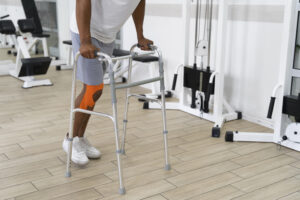
Source Freepik
Depending on your health and the procedure type, you might stay in the hospital for 1–2 days or go home the same day.
You’ll begin walking with assistance (stretcher or walker) within 24 hours, often with the help of a physical therapist. Most hospitals now use Enhanced Recovery After Surgery (ERAS) protocols. It’s a modern approach that encourages early mobility, reduces opioid use, and speeds up healing.
7. Recovery Takes Time and Patience
Physical therapy is essential. Orthopedic specialists often call it the “second surgery” because consistency and effort determine your long-term success.
Here’s how full recovery unfolds in phases:
|
Timeline |
Recovery |
|
Weeks 1–2 |
Begin gentle movement with a walker or cane. Focus on pain control and swelling reduction. |
|
Weeks 3–6 |
Transition to walking independently and increase range of motion through physical therapy. |
|
Months 3–6 |
Resume normal daily activities and light exercise; continue strengthening. |
| Months 6–12 |
Long-term mobility, strength, and balance; minor stiffness may persist. |
Most patients can resume driving or desk work around 4–6 weeks, while physically demanding work may require longer. Consistent PT and home exercises are key to optimal outcomes.
8. Risks, Complications, and How to Minimize Them
Every surgery carries risks but understanding them helps you act early if something feels off.
-
Blood Clots (DVT or PE)
Joint surgery increases the risk of deep vein thrombosis (DVT) or pulmonary embolism (PE). Studies show that without preventive care, DVT risk could reach 40–80%, but modern prevention protocols have drastically reduced it. Your doctor may recommend blood thinners, compression stockings, or frequent mobility to reduce the risk significantly.
-
Infection
Infection rates are low, but serious if they occur. So, follow wound care instructions, keep your incision clean, and report redness, drainage, or fever immediately.
-
Implant Loosening or Stiffness
Over time, implants can wear down or feel stiff. Maintaining a healthy weight and continuing low-impact exercise can prolong implant life, typically 15–20 years or longer.
9. Recovery Has an Emotional Side Too

Source: Freepik
Surgeons say the mental challenge often surprises patients more than the physical one. It’s normal to feel frustrated or anxious in the first few weeks.
Try these coping strategies:
- Track your progress. Every small milestone matters.
- Stay connected with friends and family.
- Celebrate improvements, even if gradual.
- Ask your care team for reassurance when recovery feels slow.
Your mindset can make recovery smoother and more sustainable. If you want to know some mental exercise at home, and improve your mood, mindset and more.
10. Choosing the Right Orthopedic Surgeon and Hospital
Your outcome depends heavily on the skill and experience of your surgical team.
Before deciding, research:
- Board certification through the American Board of Orthopedic Surgery (ABOS).
- Hospital infection rates and post-surgery rehabilitation programs.
- Volume of procedures: Surgeons who perform more replacements tend to have better outcomes.
- Communication style: Choose a surgeon who explains risks, recovery, and expectations clearly.
The best surgeons encourage transparency, and patients who ask questions tend to feel more confident and in control.
Final Thoughts
Knee replacement surgery can truly transform your quality of life but only if you approach it with preparation, patience, and persistence. And always remember, surgery is just one step; recovery is the journey.
So, by understanding the process, setting realistic expectations, and partnering closely with your care team, you’ll set yourself up for the best possible outcome post-surgery.
For more such informative content on health, fitness and wellness, visit Stay Healthy Stay Fit.
Frequently Asked Questions
1. How long does a knee replacement take?
Most knee implants last 15 to 20 years, depending on activity level and overall health.
2. Can I climb the stairs after knee replacement?
Yes, usually within 4–6 weeks. Physical therapy helps you rebuild the strength and confidence to handle stairs safely.
3. What age is too old for knee replacement?
There’s no strict age limit. Eligibility depends more on health, mobility goals, and bone condition.
4. Is outpatient knee replacement safe?
Yes. Many U.S. hospitals now perform same-day procedures for healthy patients with proper home support.
5. When can I drive after knee replacement?
Most patients can safely resume driving around 4–6 weeks after knee replacement surgery, once they can bend the knee comfortably, control the vehicle safely, and are no longer taking strong pain medications.
