
You’ve heard the names: they’re on news feeds, celebrity podcasts, Reddit threads, and your doctor’s prescription pad. Ozempic, Wegovy, Mounjaro, Zepbound. Four drugs, two molecules, and a global conversation about what it means to treat obesity as a medical condition rather than a willpower failure.
But here’s the confusion most people face: “Is Mounjaro the same as Zepbound?”
While these four names are often used interchangeably, yet they are not the same drug for the same purpose. Getting this distinction wrong could mean taking a diabetes medication off-label when a purpose-built weight-loss alternative exists or vice versa.
This guide cuts through the noise. We examine the science, the clinical trial data, the doctor perspectives, the side effects, and, crucially, the lifestyle context that explains why these drugs have become a cultural phenomenon.
Key Takeaways at a Glance
- Two molecules, four brand names. Ozempic & Wegovy = semaglutide (Novo Nordisk). Mounjaro & Zepbound = tirzepatide (Eli Lilly).
- FDA approvals differ. Ozempic and Mounjaro are approved for Type 2 diabetes. Wegovy and Zepbound are approved for weight management.
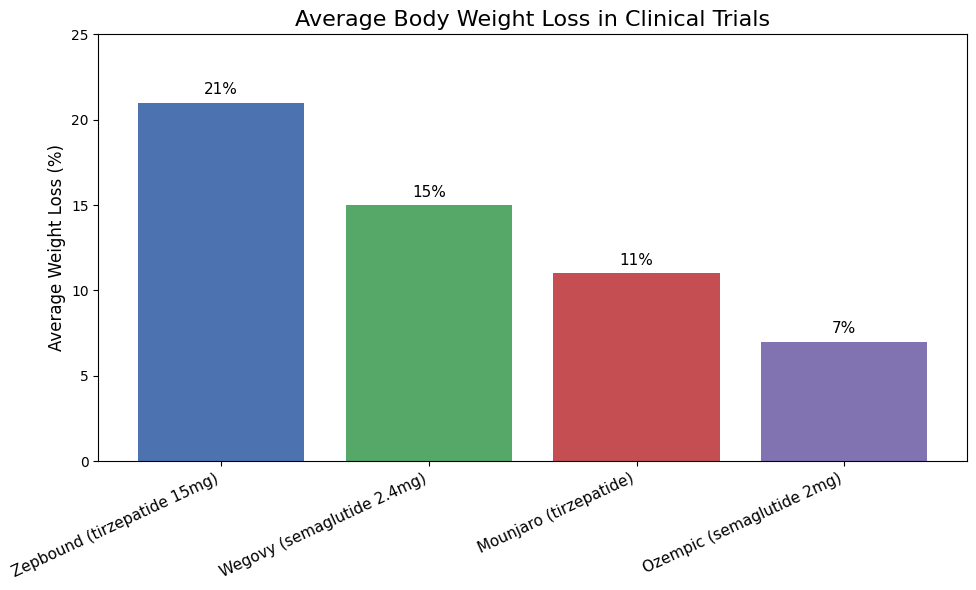
- Tirzepatide wins on weight loss data. Zepbound users lost an average ~20–21% of body weight in trials vs ~14–15% for Wegovy.
- Side effects are largely similar. GI upset (nausea, vomiting, diarrhea) is most common; rare but serious risks include pancreatitis and a black-box thyroid cancer warning.
- These are chronic-use medications. Most patients regain significant weight after stopping.
- Lifestyle intervention remains irreplaceable. These drugs work best alongside dietary change and exercise, not as substitutes.
- Cost is a barrier. All four drugs run ~$1,000+/month out-of-pocket; insurance coverage varies widely.
Why This Conversation Is Happening Right Now
Obesity is a chronic, complex disease and the numbers are staggering:
- 1B+ People globally living with obesity (Lancet, 2024)
- Adult obesity rates doubled since 1990 (WHO)
- Adolescent obesity quadrupled since 1990 (WHO)
- 42% of US adults are now obese (2022 data)
Obesity is now the most common form of malnutrition in most countries.
The roots of this crisis trace directly to modern life.
Ultra-processed foods now provide nearly half or more of daily calories in developed countries — 60% in the USA, 57% in the UK, and 47% in Canada.
These foods are engineered to override natural satiety signals.
Add sedentary work, chronic stress, poor sleep, and food environments designed for maximum caloric consumption, and weight gain becomes nearly systemic, not personal.
“Most chronic diseases are attributable to lifestyle habits: lack of activity, poor dietary habits, tobacco and alcohol use, and lack of sleep. More than 40% of the US population is obese, and with obesity comes increased risk of cardiovascular disease, type 2 diabetes, liver disease, musculoskeletal disease, sleep apnea, and many cancers.”
— Published perspective in PubMed Central, 2024
This is why GLP-1 drugs are considered historic. They are the first medications to produce non-surgical weight loss comparable to bariatric procedures. And that’s why doctors, patients, and media can’t stop talking about them.
However, the popularity of GLP-1 drugs wasn’t driven by medicine alone. Their popularity exploded when celebrities, influencers, executives, and media personalities began visibly, rapidly losing weight while speculation around Ozempic spread across Hollywood, TikTok, and social media.

Actress Amanda Bynes has openly discussed using Ozempic during her weight-loss journey, while Indian comedian of Aishwarya Mohanraj publicly spoke about losing 22 kg with Mounjaro after struggling with PCOS and hypothyroidism.
Their openness reflects how rapidly GLP-1 medications have moved from clinical settings into mainstream culture.
How Do These Drugs Actually Work? The Science, Simply Explained
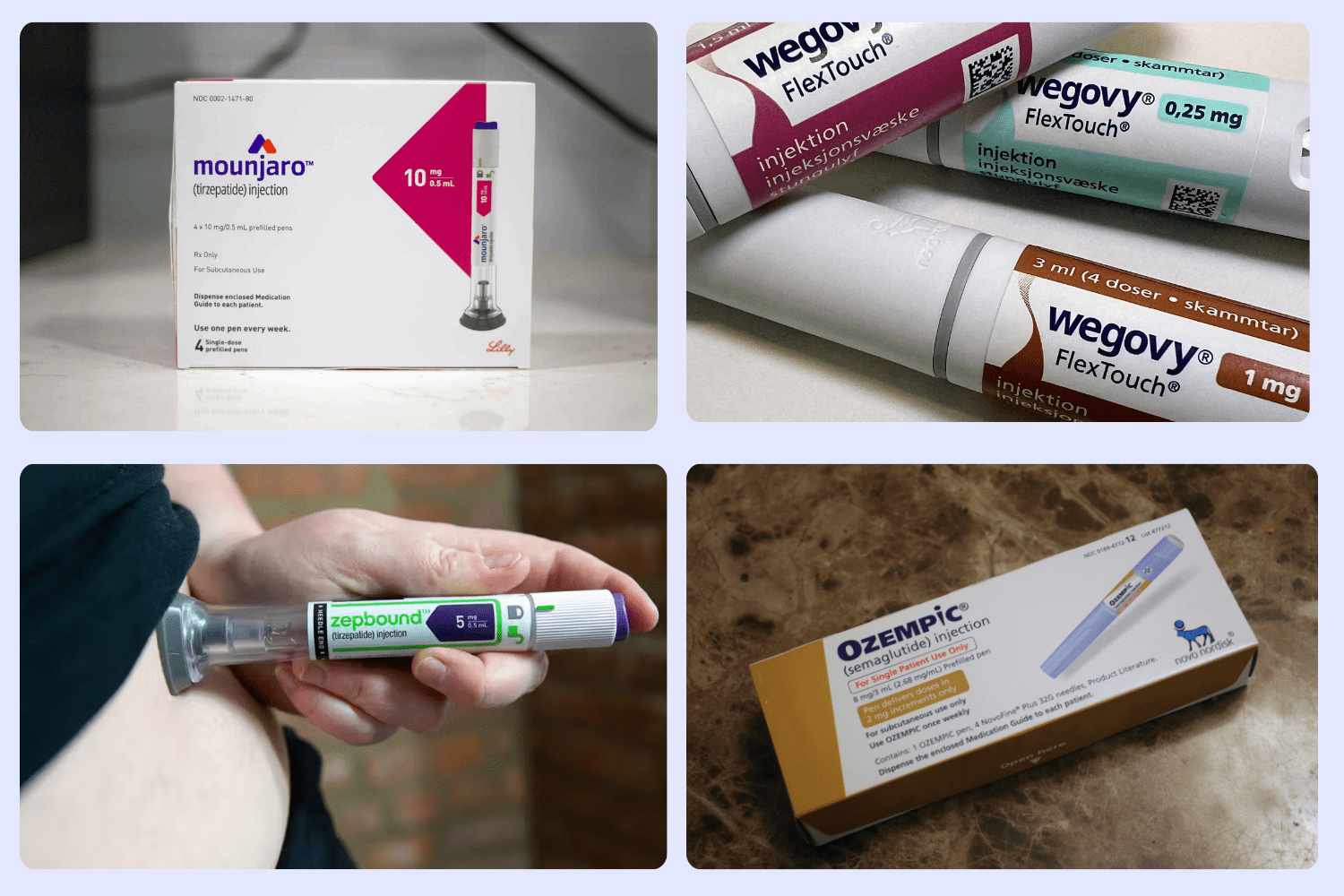
Understanding how these once-weekly injectable medications work is crucial before you start treatment.
- Semaglutide
Semaglutide is a GLP-1 receptor agonist present in both Ozempic and Wegovy. GLP-1 (glucagon-like peptide-1) is a gut hormone released when you eat. It signals your brain that you’re full, slows gastric emptying, and stimulates insulin release when blood sugar is elevated.
2. Tirzepatide
Tirzepatide, the ingredient in Mounjaro and Zepbound, does everything semaglutide does, plus one more thing: it also activates GIP (glucose-dependent insulinotropic polypeptide) receptors. This dual action is why tirzepatide often produces stronger effects on both blood sugar and weight loss.
“Ozempic has simply become synonymous with the GLP-1 medications due to its ubiquitous coverage in the media. But the drugs have real differences and Ozempic isn’t even FDA-approved for weight loss.”
— Dr. Christopher McGowan, Gastroenterologist & Obesity Medicine Specialist, True You Weight Loss
Mounjaro and Zepbound are the same molecule at different doses prescribed for different purposes. The same is true for Ozempic and Wegovy.
Also read: Muscle Loss on GLP-1 Drugs: How Much Is Real and What to Do About It
Ozempic vs Wegovy vs Mounjaro vs Zepbound: Full Comparison
| Feature | Ozempic | Wegovy | Mounjaro | Zepbound |
|---|---|---|---|---|
| Active Ingredient | Semaglutide | Semaglutide | Tirzepatide | Tirzepatide |
| Manufacturer | Novo Nordisk | Novo Nordisk | Eli Lilly | Eli Lilly |
| FDA-Approved Use | Type 2 Diabetes | Weight Management | Type 2 Diabetes | Weight Management |
| Approved for Weight Loss? | Off-label | Yes | Off-label | Yes |
| Mechanism | GLP-1 agonist | GLP-1 agonist | GLP-1 + GIP dual | GLP-1 + GIP dual |
| Administration | Weekly injection | Weekly injection | Weekly injection | Weekly injection |
| Maximum Dose | 2.0 mg | 2.4 mg | 15 mg | 15 mg |
| Average Weight Loss in Trials | ~7% diabetes dose | ~14–15% | ~11–12% in diabetes patients | ~20–21% |
| Cardio Risk Reduction | Approved | Approved | Under review | Under review |
| Sleep Apnea Indication | No | No | No | Yes |
| Estimated Monthly Cost | ~$1,000 | ~$1,300–1,600 | ~$1,000 | ~$1,000–1,300 |
Data Source: FDA trial data / SURMOUNT-1 / STEP-1 studies.
Researchers found that Zepbound was superior to Wegovy in achieving weight loss, with an average of about 20% compared to about 14% at 72 weeks. Tirzepatide also showed superior reductions in waist circumference.
An earlier real-world study of 41,222 adults treated for Type 2 diabetes found that 81.8% of people receiving tirzepatide lost at least 5% of their weight within one year, compared to 66.5% of those using semaglutide; a significant difference.
What Are the Side Effects of Ozempic, Wegovy, Mounjaro, and Zepbound?
All four of them have similar side effects. The most common issues occur during dose escalation and typically improve over time.
Most Common (GI-Related)
- Nausea (most frequent)
- Vomiting
- Diarrhea
- Constipation
- Abdominal discomfort / bloating
- Fatigue & headaches
- Dizziness
More Serious / Rare
- Pancreatitis
- Gallbladder disease
- Kidney issues (from dehydration)
- Thyroid C-cell tumors.
- Diabetic retinopathy (Ozempic)
- Muscle mass loss (with rapid weight loss)
- Possible arthritis risk
Who Should and Shouldn’t Take These Medications?
These are prescription-only drugs with strict clinical criteria. Your BMI and health history determine whether you qualify.
Who Should and Shouldn’t Use Ozempic, Wegovy, Mounjaro or Zepbound?
| Generally Appropriate For | Should Not Use |
|---|---|
| BMI ≥ 30 (obesity) | History of medullary thyroid carcinoma |
| BMI ≥ 27 + weight-related condition | MEN 2 syndrome |
| Type 2 diabetes (Ozempic / Mounjaro) | History of pancreatitis |
| Established cardiovascular disease (Ozempic / Wegovy) | Pregnant or planning pregnancy |
| Obstructive sleep apnea + obesity (Zepbound) | Severe gastrointestinal disease |
| Failed diet + exercise without sufficient results | Cosmetic weight loss without medical indication |
One critical fact: stopping these medications typically leads to significant weight regain. These are chronic-use treatments for a chronic disease not a short-term fix. That conversation with your doctor matters before you start.
Why Lifestyle Still Matters Even With GLP-1 Drugs

GLP-1 drugs can reduce hunger, but long-term weight loss still depends heavily on lifestyle. In fact, every major clinical trial combined medication with diet and exercise.
Research also shows that ultra-processed foods are strongly linked to obesity, making environment and daily habits just as important as medication.
Modern food and lifestyle environments strongly contribute to the obesity crisis. Medication can override some of its effects but it can’t rebuild your habits for you.
What consistently helps with sustainable weight loss:
- Whole-food diet: fibre, lean protein, vegetables, healthy fats; minimize ultra-processed foods
- Resistance training: essential for preserving muscle mass, which is at risk during rapid GLP-1-driven weight loss
- Sleep optimization: poor sleep raises ghrelin (hunger hormone) and blunts leptin (satiety signal)
- Stress management: chronic cortisol drives visceral fat storage and emotional eating
- Environmental redesign: what you keep at home often matters more than willpower in the moment
- Behavioural support: a registered dietitian or certified health coach significantly improves long-term results.
As noted by Dr. Cecilia Low Wang, Endocrinology & Diabetes Expert, UCHealth
“These drugs are not a replacement for healthy lifestyle changes. People need to exercise most days of the week and consistently choose healthy foods.”
Final thoughts
GLP-1 medications have changed the conversation around obesity, diabetes, and metabolic health faster than almost any drug class in recent medical history.
Ozempic, Wegovy, Mounjaro, and Zepbound are not interchangeable products, but they do represent a major shift in how doctors approach chronic weight management.
The data is promising, but these are powerful long-term medications with real costs, risks, and lifestyle implications. For some patients, they can be transformative. For others, they may not be appropriate at all.
The most important step is informed decision-making with qualified medical guidance; not social-media hype.
For more informational content, explore our other fitness-related blogs today!
Medical Disclaimer: This article is intended for educational and informational purposes only and should not be considered medical advice, diagnosis, or treatment. Always consult a qualified healthcare professional before starting, stopping, or changing any medication or weight-loss treatment.
Frequently Asked Questions
- What is the difference between Ozempic and Wegovy?
Both contain semaglutide, but Ozempic is approved for Type 2 diabetes while Wegovy is approved for weight management. Wegovy also uses a higher maximum dose (2.4 mg vs 2.0 mg).
- Is Zepbound or Wegovy more effective for weight loss?
Current trial data favors Zepbound (tirzepatide), which showed about 20% average weight loss vs ~14% for Wegovy (semaglutide). Individual results still vary.
- Can I take these medications just for cosmetic weight loss?
Generally, no. These drugs are intended for obesity or overweight patients with related health conditions and should only be used under medical supervision.
- What happens when you stop taking Ozempic or Wegovy?
Most people regain significant weight after stopping because appetite signals return. These medications are generally considered long-term treatments.
- Is Mounjaro same as Zepbound?
Essentially, yes. Both contain tirzepatide from Eli Lilly. Mounjaro is approved for Type 2 diabetes, while Zepbound is approved for weight management.
