

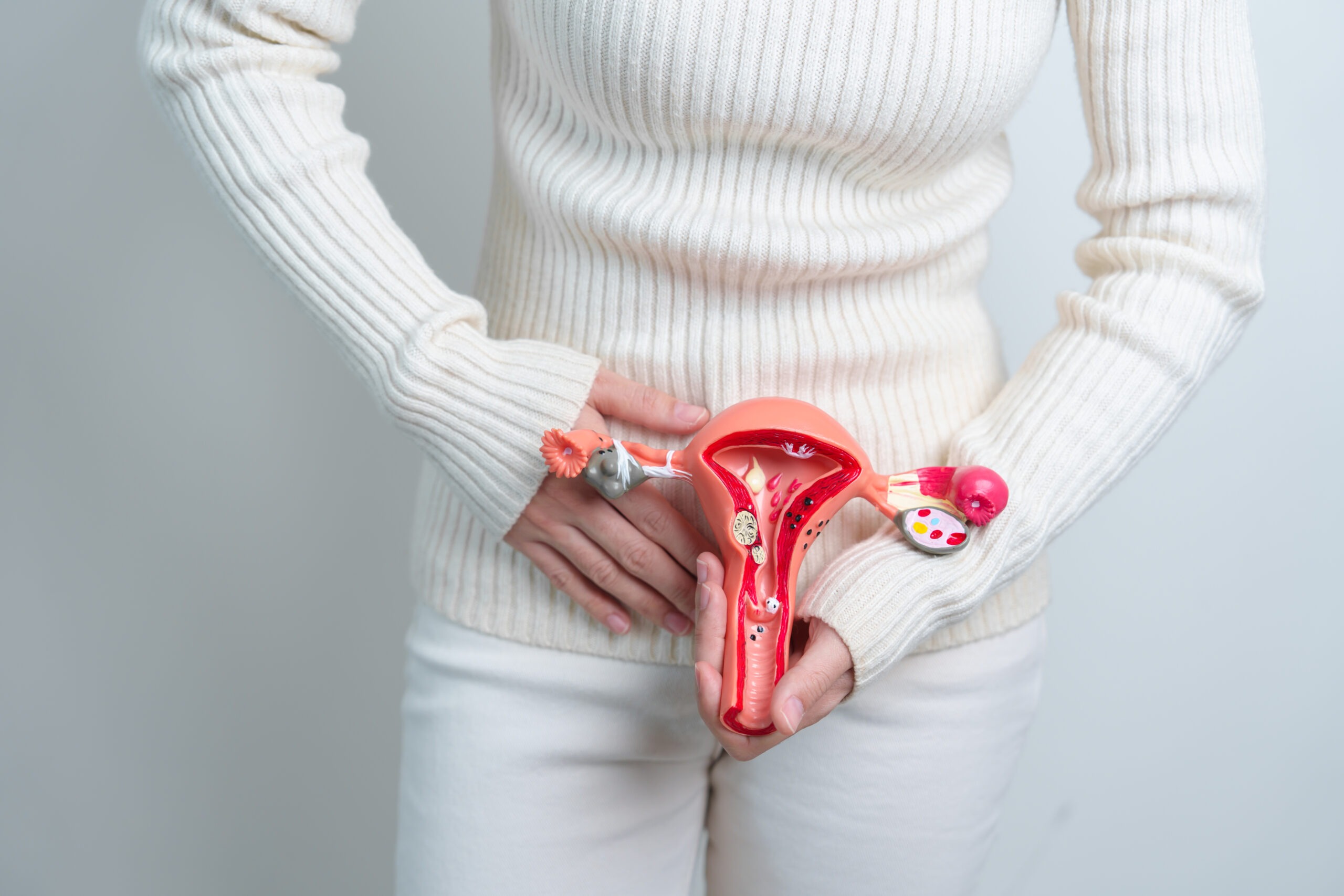
More than 17,000 women across 158 countries recently reported that fatigue, mood swings, sleep issues, and brain fog were more common during perimenopause than hot flashes. Yet most women still associate menopause only with skipped periods and heat waves.
That disconnect explains why so many women spend years feeling “off” before realizing hormones are changing.
The perimenopause timeline is not short. For many women, it lasts 7–10 years, sometimes beginning in the late 30s while periods still appear regular. Understanding the timeline can help you identify symptoms earlier, seek the right support, and protect your long-term health.
What Should You Know About the Perimenopause Timeline?
- Perimenopause is the transition before menopause and can last 7–10 years.
- Symptoms often begin years before periods become irregular.
- Common symptoms include fatigue, anxiety, brain fog, poor sleep, weight changes, and hot flashes.
- Hormonal fluctuations, especially estrogen and progesterone drive most symptoms.
- Lifestyle habits, stress management, nutrition, exercise, and medical support can significantly improve quality of life.
- Menopause is officially reached after 12 consecutive months without a period.
What Is Perimenopause and When Does It Begin?
Perimenopause is the hormonal transition leading up to menopause. So, what age does perimenopause startfor most women? It usually starts in the 40s but can begin in the late 30s and may last anywhere from 7 to 10 years. During this phase, estrogen and progesterone levels fluctuate unpredictably, causing physical, emotional, and cognitive symptoms.
Unlike menopause, which is technically just one point in time, perimenopause is a long biological transition.
Your ovaries gradually begin producing hormones less consistently. Some months estrogen spikes unusually high. Other months it drops sharply. Ovulation becomes irregular, which also affects progesterone production.
This hormonal unpredictability impacts nearly every system in the body:
- Brain and mood regulation
- Sleep cycles
- Metabolism
- Bone health
- Cardiovascular function
- Skin and hair health
- Sexual wellness
According to WHO, the menopause transition affects women differently based on genetics, ethnicity, stress, lifestyle, and overall health.
What Does the Perimenopause Timeline Actually Look Like?
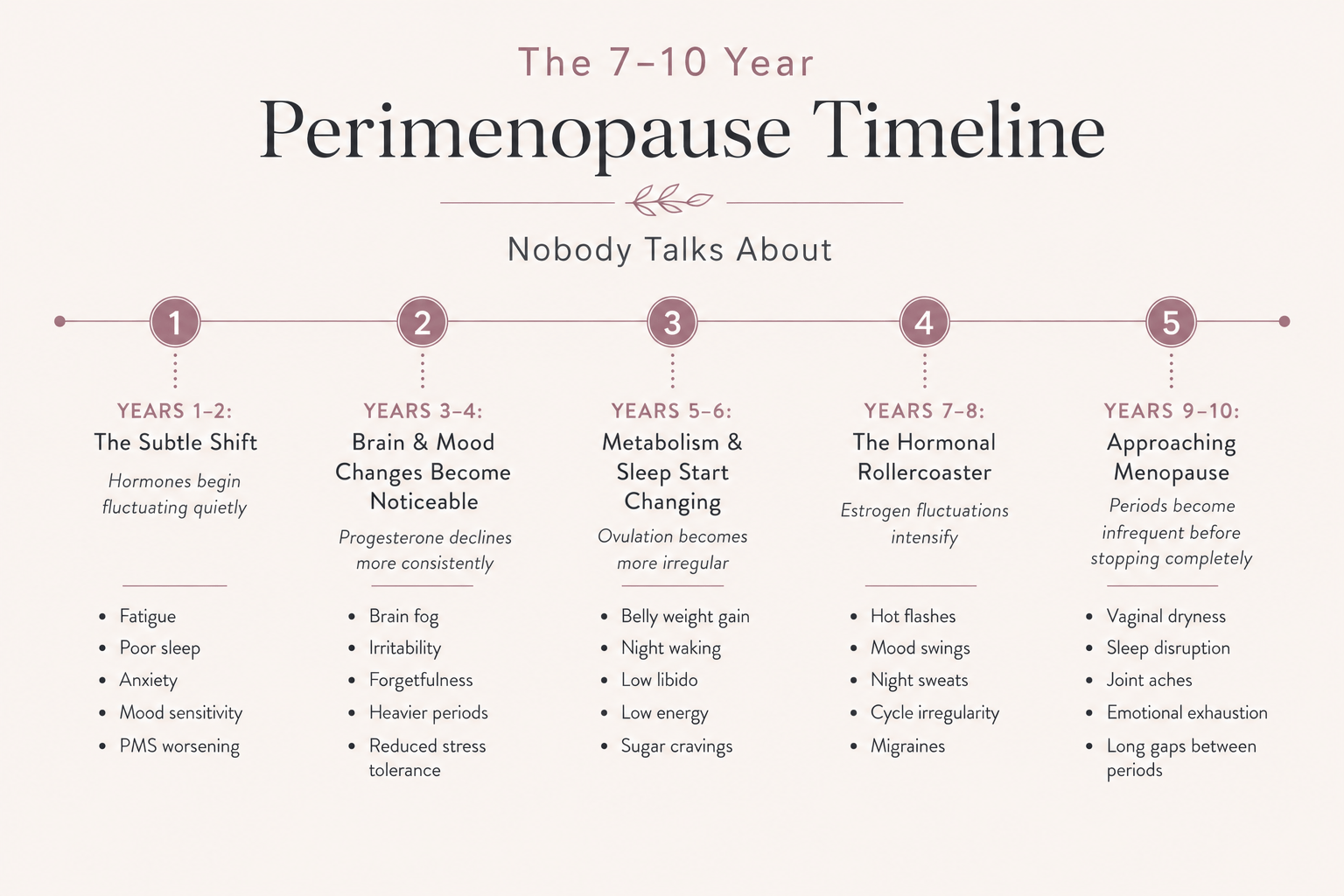
Perimenopause typically unfolds in stages. Early symptoms often begin years before menstrual changes become obvious. Late perimenopause is marked by longer gaps between periods and more noticeable symptoms before periods stop completely.
The 4 Main Perimenopause Stages
| Perimenopause Stage | Typical Age | What Happens During This Stage |
|---|---|---|
| Early Perimenopause | Late 30s to early 40s | Hormonal fluctuations begin and subtle perimenopause symptoms may appear. |
| Mid Perimenopause | 40s | Perimenopause symptoms may intensify and menstrual cycles can become irregular. |
| Late Perimenopause | Mid to late 40s | Longer gaps between periods may occur and hot flashes can become more common. |
| Menopause | Average age 51 | Menopause is reached after 12 consecutive months without a period. |
What’s the Difference Between Perimenopause, Menopause, and Postmenopause?
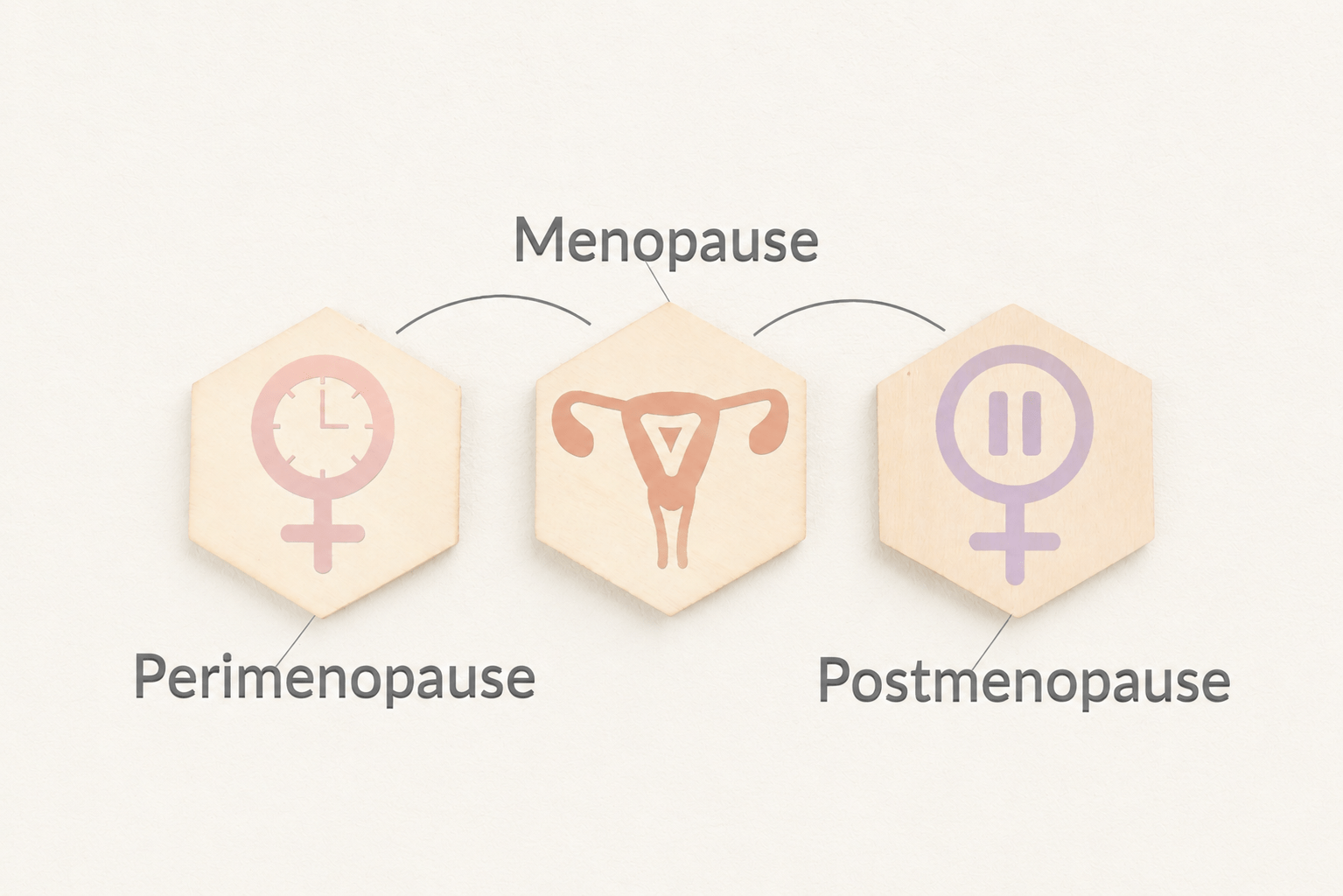
Perimenopause, menopause, and postmenopause are different phases of the same hormonal transition.
| Stage | What It Means | Typical Age | Key Hormonal Changes | Common Symptoms |
|---|---|---|---|---|
| Perimenopause | Transition leading up to menopause. | Late 30s to 40s | Estrogen and progesterone fluctuate unpredictably. | Brain fog, anxiety, poor sleep, irregular periods, and hot flashes. |
| Menopause | Officially reached after 12 months without a period. | Around 51 | Ovaries produce much lower hormone levels. | Hot flashes, vaginal dryness, and sleep disruption. |
| Postmenopause | Years after menopause. | 50s onward | Hormones stabilize at lower levels. | Bone loss risk, heart health changes, and ongoing vaginal dryness. |
What are the Most Common Perimenopause Symptoms?
The perimenopause early signs are often not hot flashes. Fatigue, mood changes, poor sleep, anxiety, and brain fog commonly appear first, even while periods remain regular.
Symptoms Most Women Miss
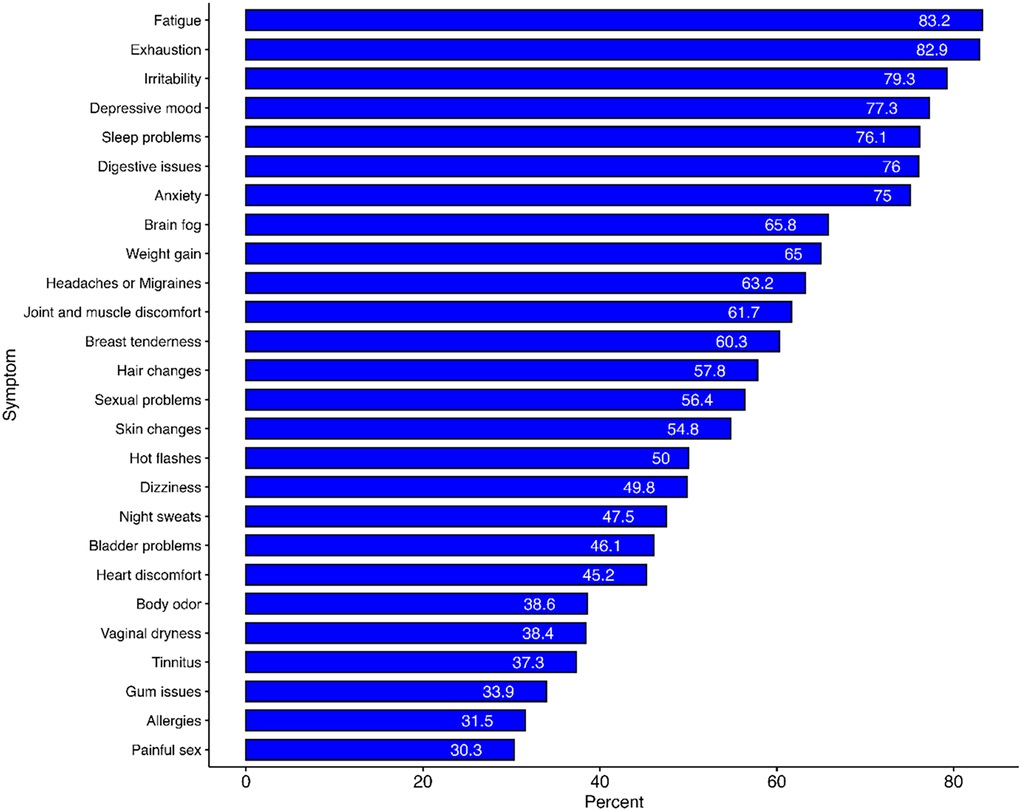
A 2026 Flo Health study found that exhaustion and fatigue were among the most reported symptoms during perimenopause, far exceeding hot flashes.
Early symptoms may include:
- Feeling tired despite adequate sleep
- Increased anxiety or irritability
- Brain fog and forgetfulness
- Worsening PMS
- Weight gain around the abdomen
- Breast tenderness
- Reduced stress tolerance
- Night waking
- Low libido
- Hair thinning
One reason perimenopause often goes undiagnosed is that symptoms mimic stress, burnout, thyroid issues, or aging.
Why Do Hormones Fluctuate So Dramatically During Perimenopause?
Because ovulation becomes inconsistent. Estrogen may rise very high one month and drop the next, while progesterone declines more steadily.
Understanding the Hormonal Shift
During reproductive years, hormones follow a predictable rhythm.
In perimenopause, that rhythm becomes chaotic.
This creates “hormonal whiplash,” where symptoms can feel intense and inconsistent.
Common hormonal patterns include:
- Estrogen spikes causing breast tenderness and migraines
- Estrogen drops triggering hot flashes and night sweats
- Lower progesterone contributing to anxiety and sleep disruption
- Changing testosterone levels affecting libido and muscle mass
Researchers increasingly recognize that symptoms may begin before menstrual irregularities appear.
Dr. Mahima Gulati, endocrinologist at UConn Health, explained it clearly:
“These symptoms are real. This is not something women are imagining, and it’s not ‘just aging.’ There are real biological changes happening.”
Does Perimenopause Affect Mental Health and Brain Function?
Hormonal changes during perimenopause can affect mood, focus, memory, and emotional regulation. Anxiety, irritability, and brain fog are extremely common.
Why Brain Fog Happens

Estrogen influences neurotransmitters like serotonin and dopamine. When estrogen fluctuates, cognitive and emotional symptoms often follow.
Women commonly report:
- Forgetfulness
- Difficulty concentrating
- Word-finding issues
- Emotional sensitivity
- Panic attacks
- Increased stress response
Emerging 2026 research is now pushing for clearer recognition of menopause-related cognitive symptoms because many women feel dismissed or misunderstood.
Sleep disruption also amplifies these effects.
Poor sleep → increased cortisol → worse anxiety → more fatigue.
It becomes a cycle many women don’t realize is hormonally driven.
Can Perimenopause Cause Weight Gain and Metabolic Changes?
Yes. Hormonal changes, reduced muscle mass, insulin resistance, poor sleep, and chronic stress all contribute to weight gain during perimenopause.
Many women notice:
- Increased belly fat
- Slower metabolism
- Muscle loss
- Increased sugar cravings
- Reduced energy for exercise
A 2026 study also linked higher insulin levels and BMI with earlier and longer vasomotor symptoms like hot flashes.
This is why “eat less and move more” often stops working.
The body becomes more sensitive to:
- Sleep deprivation
- Stress
- Ultra-processed foods
- Sedentary habits
Strength training, protein intake, stress management, and blood sugar balance become increasingly important during this stage.
What Helps During Perimenopause?
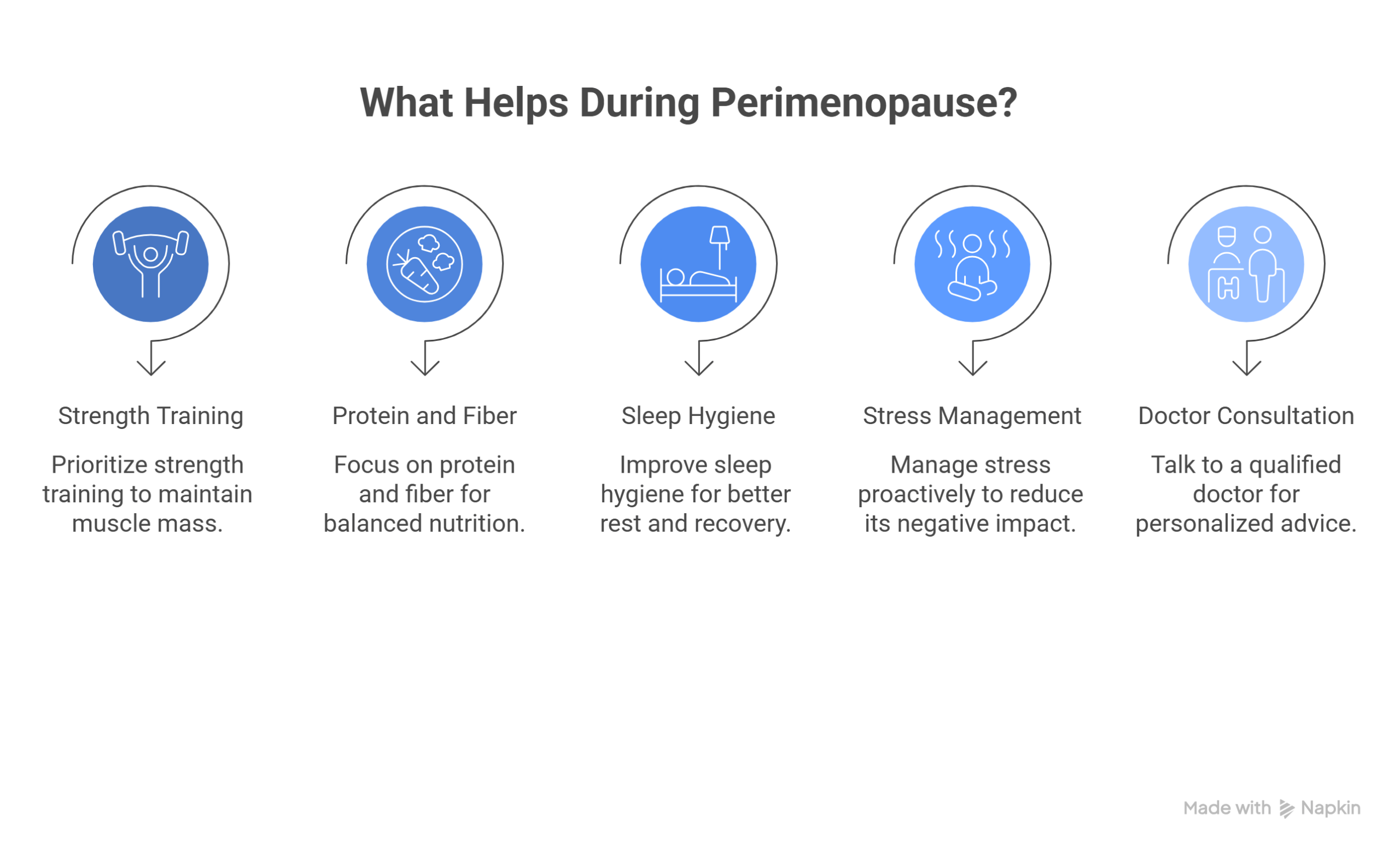
Lifestyle changes, medical guidance, nutrition, exercise, sleep support, and stress reduction can dramatically improve symptoms and long-term health outcomes.
Here’s what you can implement in your daily lifestyle:
- Prioritize Strength Training
Resistance training supports:
- Bone density
- Metabolism
- Muscle retention
- Insulin sensitivity
- Focus on Protein and Fiber
These nutrients help stabilize blood sugar and support satiety.
- Improve Sleep Hygiene
Consistent sleep schedules and reduced evening screen exposure can help regulate cortisol and melatonin.
- Manage Stress Proactively
Chronic stress intensifies hormonal symptoms.
Helpful tools include:
- Walking
- Breathwork
- Yoga
- Therapy
- Meditation
- Talk to a Qualified Doctor
Hormone therapy, supplements, or targeted treatments may help depending on your symptoms and medical history.
Recent research suggests earlier intervention may improve long-term outcomes for some women.
When Should You See a Doctor About Perimenopause?
You should seek medical guidance if symptoms interfere with sleep, mental health, work, relationships, or quality of life.
Signs You Shouldn’t Ignore
- Heavy bleeding
- Severe mood changes
- Debilitating anxiety
- Persistent insomnia
- Sudden cycle changes
- Heart palpitations
- Extreme fatigue
Many women normalize suffering because they believe symptoms are “just aging.”
They are not.
Perimenopause is a legitimate physiological transition that deserves proper care and evidence-based support.
Final Thoughts: You’re Not “Too Young” or “Overreacting”
The biggest problem with perimenopause is not just the symptoms; it’s how poorly prepared most women are for them.
For years, women are told they’re stressed, aging, emotional, or burned out when they’re actually moving through a major hormonal transition.
The problem isn’t that women are failing to recognize perimenopause. It’s that most were never taught that this transition could begin years before menopause itself.
Understanding the perimenopause timeline changes that.
The more informed you are, the earlier you can support your body, protect your long-term health, and stop blaming yourself for symptoms that are biologically real.
At Stay Healthy Stay Fit, explore more expert-backed health guides designed to help you feel stronger, healthier, and more in control at every stage of life.
Medical Disclaimer: This article is intended for educational and informational purposes only and should not be considered medical advice, diagnosis, or treatment. Always consult a qualified healthcare professional before starting, stopping, or changing any medication or weight-loss treatment.
Frequently Asked Questions
1. How long is perimenopause?
Most women experience perimenopause for 4–10 years, with an average duration around 7 years.
2. Can perimenopause start at 35?
Yes. Some women begin experiencing symptoms in their late 30s, even if cycles remain regular.
3. What is the average age of menopause?
Globally, menopause typically occurs between ages 45 and 55, with the average around 51.
4. Are hot flashes always the first symptom?
No. Fatigue, anxiety, irritability, and sleep issues often appear earlier.
5. Can lifestyle changes really help?
Yes. Exercise, nutrition, sleep optimization, and stress management can significantly improve symptoms and reduce health risks.
6. Is brain fog during perimenopause real?
Absolutely. Cognitive symptoms are increasingly recognized in menopause research and clinical care.
