

It’s 11:45 PM. You’re exhausted. Your body is tired, your eyes are heavy, and yet you find yourself staring at the ceiling. Your brain is running through tomorrow’s to-do list, replaying a conversation from three days ago, and somehow also wondering whether you left the door unlocked.
Sound familiar?
You’re not alone. Millions of Americans struggle to fall asleep or stay asleep, even when they do everything “right.” And while there are a hundred things that could be going wrong, one of the most overlooked reasons is a mineral deficiency that most people don’t even know they have.
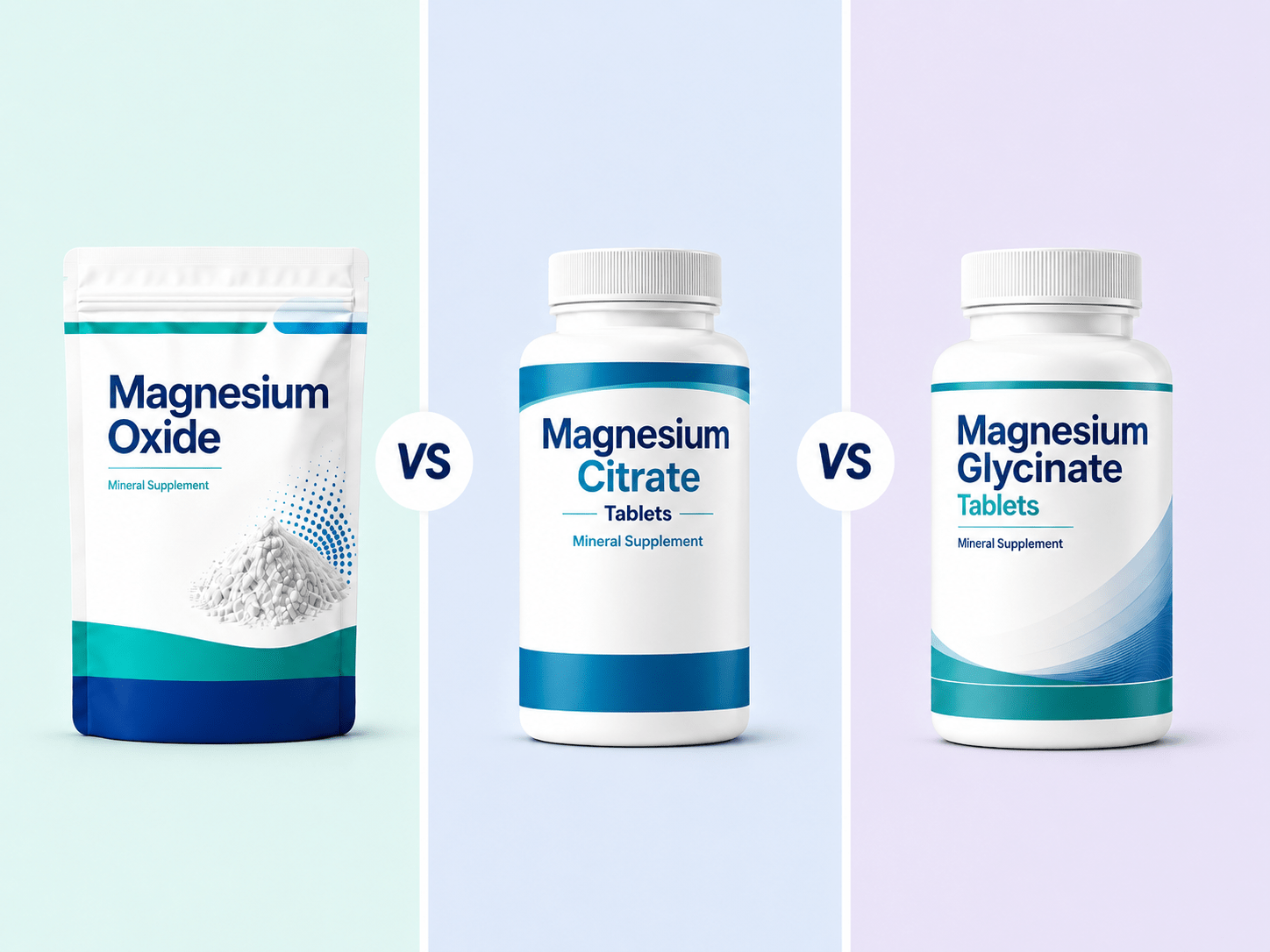
That mineral is magnesium. However, the form of magnesium is equally important. In this blog we will understand why we can’t sleep properly, different forms of magnesium, and which is best for your sleep (magnesium glycinate vs citrate vs oxide)
Why Modern Life Is Quietly Making It Harder to Sleep

Here’s something most sleep articles skip: the problem isn’t just our bad habits. Our modern environment is actively working against the biology of sleep.
Blue light from screens tells your brain it’s still daytime. Your brain uses light as its main signal to produce melatonin (the hormone that makes you feel sleepy). When you’re still on your phone at 9 PM, melatonin production gets delayed by two to three hours.
Chronic stress keeps cortisol levels high at night. Cortisol is supposed to be high in the morning (it’s what wakes you up) and low at night. When you’re constantly stressed, that pattern breaks.
Ultra-processed diets strip your body of sleep-critical nutrients, including magnesium. The magnesium content of our food has also dropped significantly over recent decades because of changes in how soil is farmed. Even people who eat vegetables may be getting less magnesium than they think.
Also Read: The Hidden Dangers of Ultra-Processed Foods: What You Need to Know
This is why so many people feel like their body has “forgotten” how to sleep. It hasn’t. It’s just missing the raw materials it needs.
Enter Magnesium: The Mineral That Runs Your Body at Night
Magnesium is involved in over 300 biochemical reactions in the body. It plays a role in energy production, blood pressure regulation, nerve function, and muscle contraction. But its connection to sleep is particularly direct.
Here’s what magnesium does that specifically matters for sleep:
1. It activates GABA receptors: GABA (gamma-aminobutyric acid) is your brain’s main “off switch. “It’s a neurotransmitter (a chemical messenger in the brain) that quiets nerve activity. Interestingly, it’s the same receptor that prescription sleep drugs like Ambien target. Magnesium helps your brain use GABA more effectively and naturally.
2. It lowers cortisol: Magnesium helps regulate how much cortisol your body produces. When magnesium is low, cortisol tends to run high,making it harder to wind down at night.
3. It supports melatonin production: Magnesium is involved in the enzymatic process that converts serotonin into melatonin. No magnesium, no melatonin signal. No melatonin signal, no sleepiness.
4. It relaxes muscles: Magnesium controls the balance of calcium in muscle cells. Calcium causes muscles to contract; magnesium helps them release. Low magnesium is a common reason for nighttime leg cramps and restless legs which lowers sleep quality.
5. It lowers your core body temperature: Your body needs to drop its core temperature slightly to initiate sleep. Magnesium helps activate the parasympathetic nervous system (your “rest and digest” mode), which supports that temperature drop.
In short, magnesium for sleep doesn’t knock you out. It creates the conditions your body needs to slide into a deep sleep.
Do Americans Achieve Their Daily Magnesium Dosage?
The recommended daily intake of magnesium is 320 mg for women and 420 mg for men. Yet studies suggest that up to 66% of Americans don’t meet that requirement through diet alone.
Magnesium-rich foods include:
- Dark leafy greens (spinach, Swiss chard)
- Pumpkin seeds and almonds
- Black beans and edamame
- Whole grains
- Dark chocolate
The problem?
- Most Americans don’t eat enough of these foods consistently.
- Soil depletion and food processing which strips magnesium from grains (Learn More)
- Stress-induced life that literally burns through your magnesium stores
This leads to a population that’s quietly running low on one of its most important sleep minerals.
This is where supplementing makes sense. But here’s the part that most people get wrong: not all magnesium supplements are for better sleep.
Why the Form of Magnesium You Take Actually Matters
When you take a magnesium supplement, your body doesn’t absorb all of it. The amount your body actually uses is called bioavailability. Think of it as the percentage of the supplement that makes it into your bloodstream and cells.
Best magnesium for sleep is highly bioavailable. Others are not. And some forms are paired with other compounds that have their own effects on the body.
This is why two people can both take “magnesium” and have completely different experiences.
Let’s break down the three most common forms.
Magnesium Oxide: The One You’ll Find Everywhere (But Shouldn’t Take for Sleep)
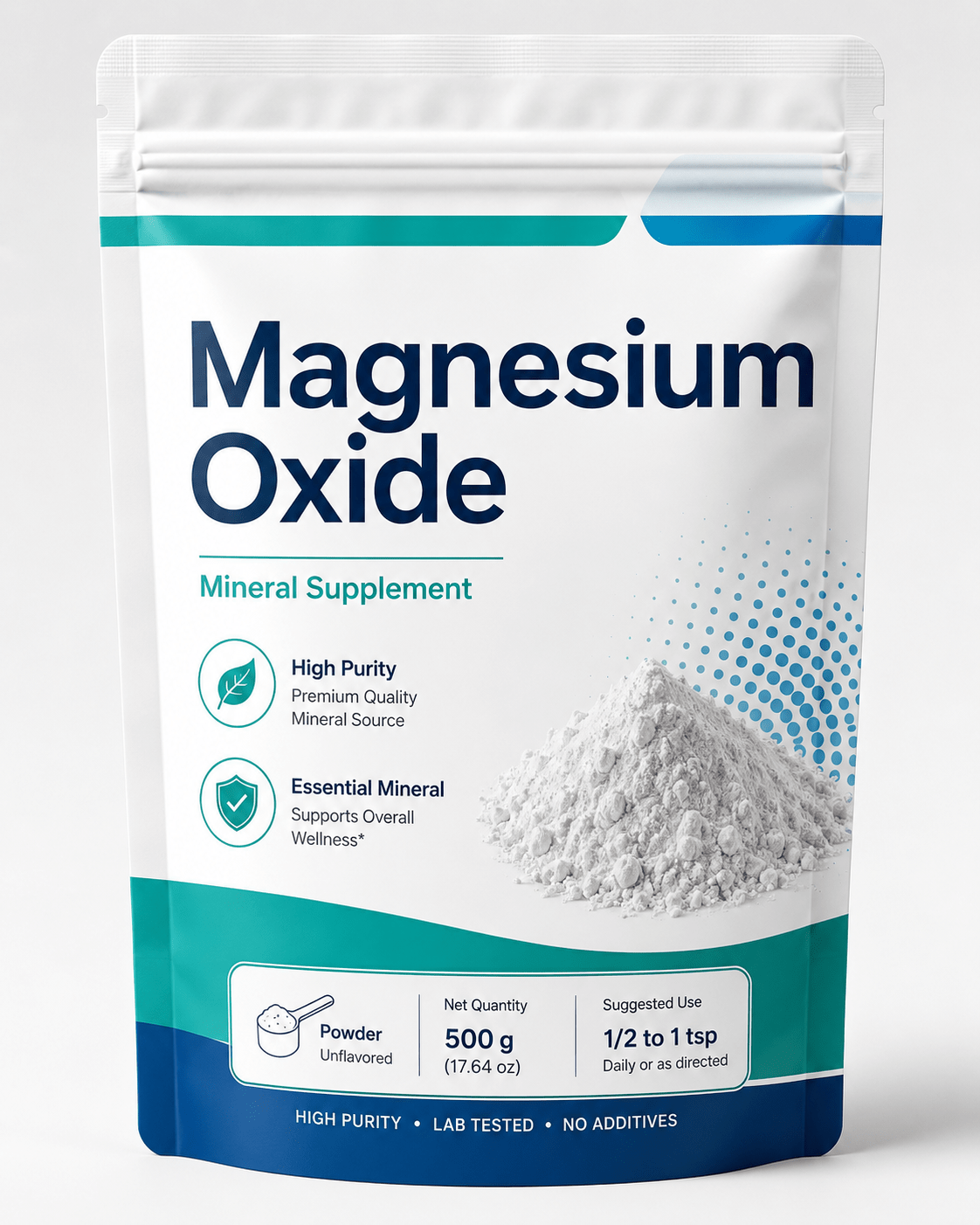
Walk into any pharmacy and you’ll find magnesium oxide on every shelf. It’s cheap, widely available, and has a high amount of elemental magnesium per pill. This does look good in theory until you understand how little of it your body absorbs.
Magnesium oxide has very poor bioavailability. Research consistently shows that magnesium citrate is significantly better absorbed than magnesium oxide. In one frequently cited study, urinary magnesium levels (a common measure of how much the body absorbed) were many times higher after taking citrate compared to oxide.
Most of it passes through your digestive system without entering your bloodstream.
Because it stays in the gut, magnesium oxide works well as a laxative and is effective for short-term constipation relief.
The problem with taking Oxide for sleep: Your cells need magnesium to activate the GABA receptors and lower cortisol. If the magnesium isn’t getting into your bloodstream, it can’t do that job.
When Oxide makes sense: Short-term constipation. That’s really it.
When Oxide does NOT make sense: If sleep is your goal, skip this one.
Conclusion: It is a good supplement, just not for improving sleep.
Magnesium Citrate: The Budget-Friendly Option That Actually Works
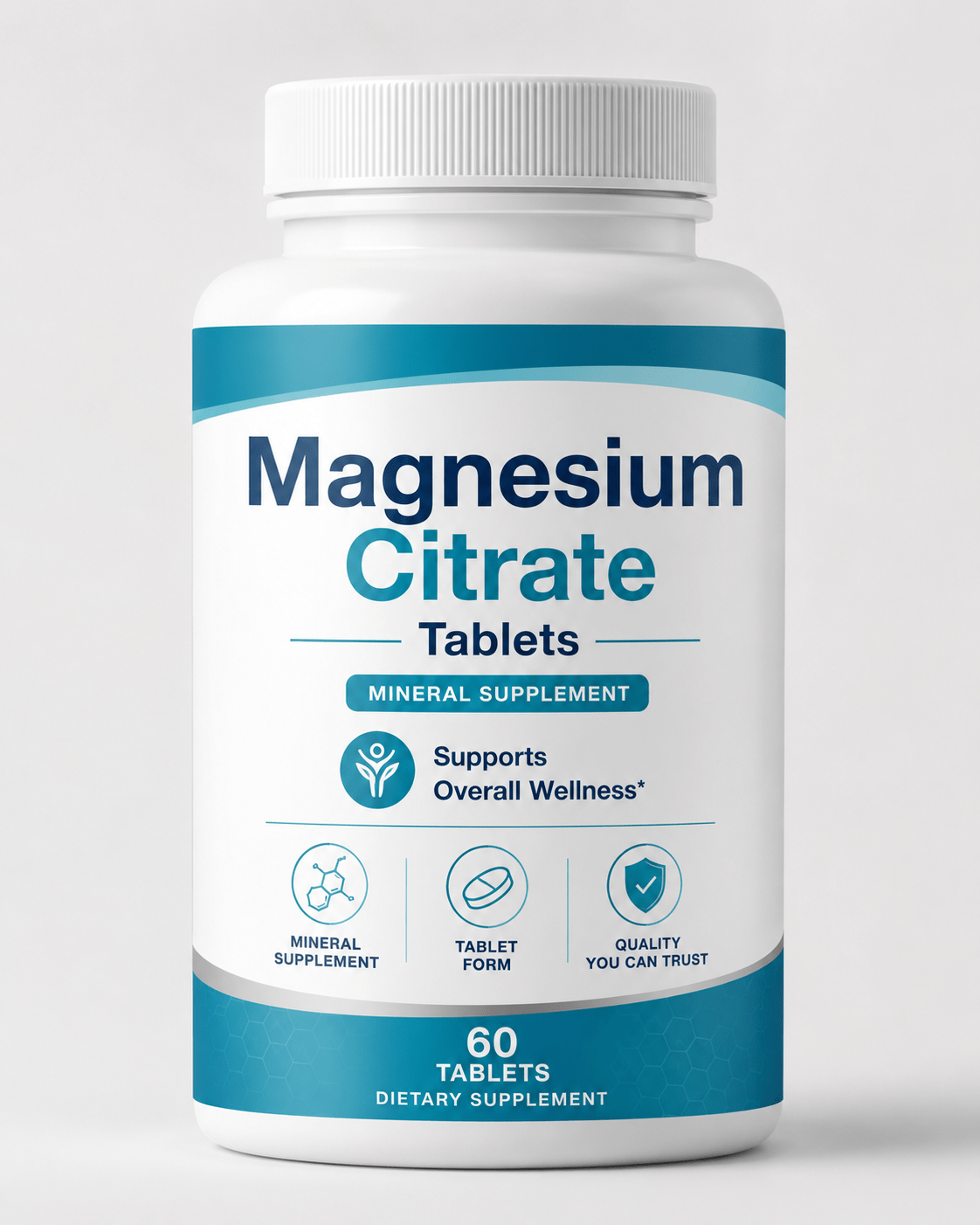
Magnesium citrate is magnesium bound to citric acid. That binding significantly improves how well the body absorbs it, making it far more effective than oxide.
A small study of 14 men found magnesium citrate to be one of the most bioavailable forms available. Other research has found it helpful for restless legs syndrome, which is a common sleep disruptor.
For most people, magnesium citrate is a solid, affordable choice for sleep support. It gets into your bloodstream, it activates the GABA and melatonin pathways, and it helps your body relax.
The one thing to know: At higher doses, magnesium citrate has a laxative effect. This is dose-dependent, meaning small amounts are usually fine, but too much can cause loose stools or stomach cramping. Staying within the recommended range prevents this for most people.
Who citrate is best for:
- People on a budget who want an effective, well-absorbed option
- People who also deal with occasional constipation
- Anyone new to magnesium who wants to start with an accessible form
Magnesium Glycinate: The Sleep Specialist
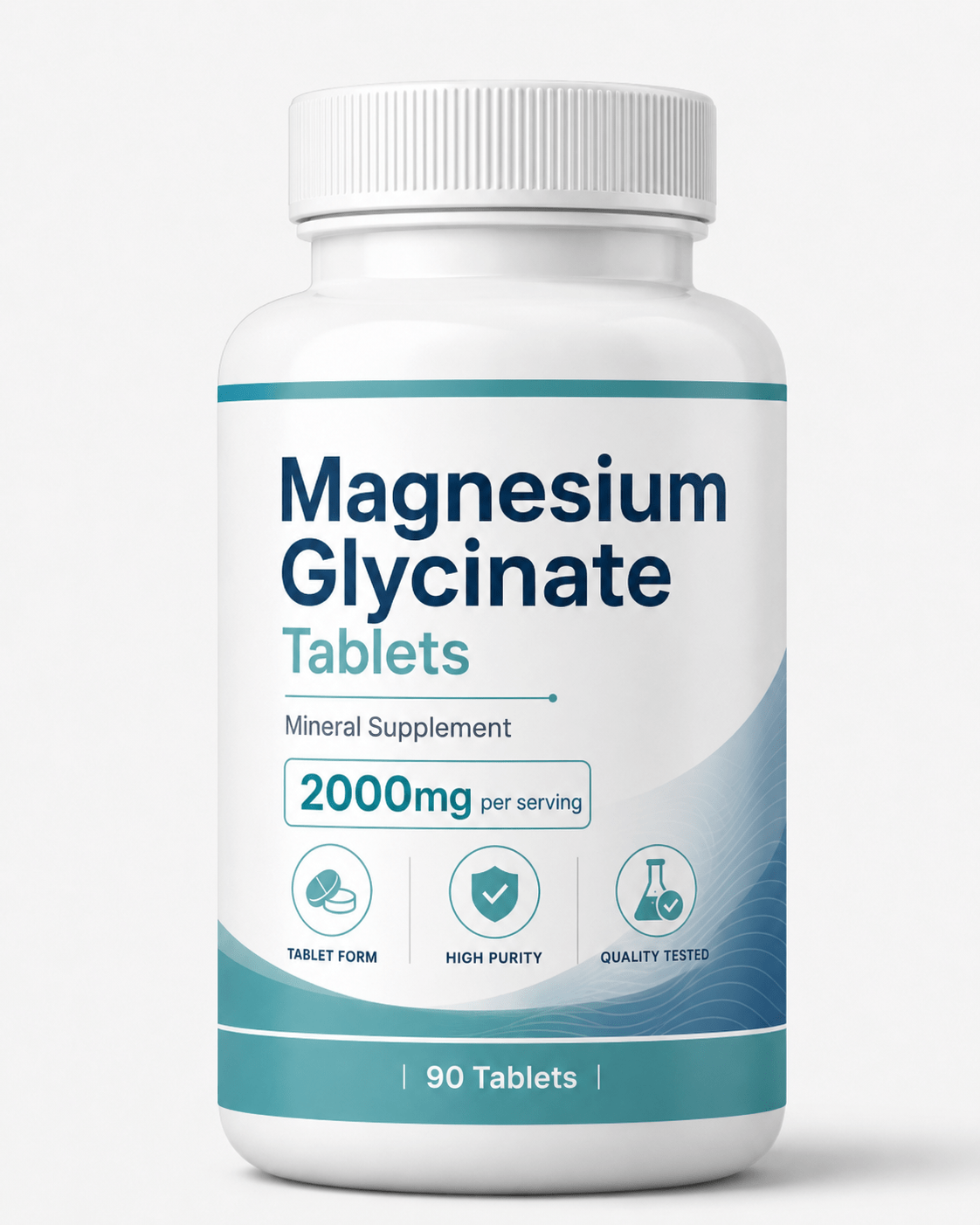
This is the most recommended, specifically for sleep.
Magnesium glycinate is magnesium bound to glycine. Glycine is an amino acid (a building block of protein) that has its own calming effects on the brain. It has been shown in research to lower core body temperature, reduce nighttime awakenings, and improve overall sleep quality independently of magnesium.
So, when you take magnesium glycinate, you’re getting two sleep-supporting compounds in a single capsule.
On top of that, glycine bonding makes it one of the gentlest forms on your digestive system. It’s far less likely to cause GI discomfort that some people experience with citrate or oxide at higher doses.
Why glycinate stands apart:
- Dual mechanism: Magnesium + Glycine both support sleep through different pathways
- High bioavailability: Your cells actually receive it
- Gentle on the stomach: Suitable even for people with sensitive digestion
- Does not have a significant laxative effect
Who glycinate is best for:
- Anyone whose primary goal is better sleep
- People who also deal with anxiety or racing thoughts at bedtime (glycine has a calming effect on the nervous system)
- Anyone with a sensitive stomach
- People who’ve tried citrate and found it too harsh
The only real downside of glycinate is cost. It’s typically more expensive than citrate or oxide. But if sleep is the goal, it’s worth it.
Side by Side: How the Three Forms Compare
| Parameters | Magnesium Oxide | Magnesium Citrate | Magnesium Glycinate |
|---|---|---|---|
| Absorption | Poor | Good | Very good |
| Best for sleep? | No | Yes | Yes (best option) |
| GI side effects | Laxative effect | Mild effects at high doses | Very low |
| Cost | Low | Low–Medium | Medium–High |
| Best for | Constipation | Sleep + digestion | Sleep + anxiety |
| Recommended dose | Not for sleep | 200–350 mg | 200–400 mg |
Do Magnesium Supplements Have Side Effects?
Magnesium supplements are considered safe for most healthy adults. That said, there are a few things to know:
Common side effects (usually at higher doses):
- Loose stools or diarrhea (more common with oxide and citrate)
- Stomach cramps or nausea
Who should be cautious:
- People with kidney disease: The kidneys regulate magnesium levels, and impaired kidneys may not be able to clear excess magnesium properly
- People taking certain medications: Magnesium can interact with antibiotics (tetracyclines, fluoroquinolones), diuretics, and proton pump inhibitors
- People taking blood pressure medication: Magnesium can have additive blood-pressure-lowering effects
The upper safe limit from supplements is 350 mg per day for adults (this does not include magnesium from food).
As always, check with your doctor or healthcare provider before starting any new supplement, especially if you have an existing health condition or take regular medications.
When Should You Take It? (A Real-World Guide)
Timing matters more than most people realize. Here’s a practical breakdown:
The general rule: Take magnesium 30 to 60 minutes before your target bedtime.
This gives your body time to absorb it and for the GABA and cortisol-lowering effects to kick in before you try to sleep.
Real-world examples:
| Sleep Time | Magnesium Intake Time |
|---|---|
| 9:00 PM | 8:00 – 8:30 PM |
| 10:00 PM | 9:00 – 9:30 PM |
| 11:00 PM | 10:00 – 10:30 PM |
| Midnight | 11:00 – 11:30 PM |
With food or without? Taking magnesium with a small snack can reduce the chance of stomach upset and doesn’t significantly reduce absorption for glycinate or citrate. If you’re taking it on an empty stomach and notice nausea, try it with a light snack instead.
Consistency is key. Magnesium isn’t a sleeping pill. You won’t feel a dramatic effect on night one. Most people start noticing a difference after one to two weeks of consistent use. Full effects often build over two to four weeks.
Week 1: You may feel slightly less physical tension at bedtime, or a mild sense of calm before sleeping.
Weeks 2–3: Most people start falling asleep more easily. The “wired but tired” feeling begins to ease.
Week 4 and beyond: Fewer middle-of-the-night awakenings, deeper sleep, and better morning energy are common.
If you’ve been running low on magnesium for a long time, your body needs time to replenish its stores.
Which Magnesium Supplement is Best for Your Sleep?
Here’s my honest recommendation:
For sleep specifically: Magnesium Glycinate.
It has the best combination of bioavailability, sleep-specific benefits (thanks to the glycine), low side effect profile, and overall effectiveness for the goal of better rest. If you deal with anxiety, racing thoughts, or muscle tension at night, glycinate is especially well-suited.
If budget is a concern: Magnesium Citrate is a solid second choice. It is well-absorbed, effective, and widely available. Just start at a lower dose (around 150–200 mg) and build up gradually to avoid the laxative effect.
Start dose: 200 mg, taken 30–60 minutes before bed. You can gradually increase to 300–400 mg if needed, but don’t exceed 350 mg from supplements unless your doctor advises otherwise.
NOTE: Some package labels available on e-commerce websites mention 2000mg per which is 10x more than 200mg serving recommended here.
It is important to understand that 2000mg is the weight of the entire compound and not pure magnesium. These 2000mg tablets usually contain 14% of elemental magnesium which roughly translates to 280mg, which is within our recommendation.
Summary: Which is Better
Magnesium oxide vs glycinate – Glycinate
Magnesium glycinate vs citrate – Glycinate
Magnesium Citrate vs oxide – Citrate
Are Magnesium Supplements Enough for Better Sleep?
Magnesium is not a magic pill. It works by restoring what your nervous system already knows how to do. Think of it like this, ‘magnesium can remove a roadblock can’t build new roads.
This is where magnesium can’t help:
- If you’re scrolling on your phone until midnight
- If you’re drinking coffee at 6 PM
- If you’re going to bed at wildly different times each night
Improving your sleeping habits is equally important for best results.
Think of magnesium as the foundation working in the background. A few habits that amplify its effects:
- Cut screens at least 30 minutes before bed (even dimming screen brightness helps)
- Keep a consistent bedtime, even on weekends
- Keep your bedroom cool. Around 65 to 68°F is optimal for most adults
- Avoid caffeine after 2 PM
Magnesium combined with basic sleep hygiene is where the real improvement happens for most people.
Also Read: 10 Best Health and Fitness Tips for a Balanced Life
The Bottom Line
Your body is designed to sleep well. But it needs the right conditions, and for a large portion of Americans, a quiet magnesium deficiency is one of the things getting in the way.
If you want to try a supplement for sleep, start with magnesium glycinate at 200 mg, taking 30 to 60 minutes before bed. Give it four weeks. If glycinate feels out of budget, magnesium citrate at a similar dose is a genuinely good alternative.
And if you’ve been struggling with sleep for a long time, or if you have any underlying health conditions, talk to your doctor before starting. Magnesium is generally safe — but getting the right guidance for your specific situation always matters.
Sleep is not a luxury. It’s the time your body repairs, resets, and prepares you for tomorrow. Give it the raw materials it needs.
Interested in blogs related to health and fitness, read our other blogs covering physical strength, mental health practices, and different types of diet at Stay Healthy and Stay Fit.
NOTE: This blog is for educational purposes only. Before starting any supplements, we would advise you to consult a doctor.
FAQs
1. Can magnesium supplements make you feel sleepy during the day?
In some people, magnesium may create a calming effect that feels mildly sedating, especially when taken in higher doses. This is why most people prefer taking it in the evening rather than during daytime hours.
2. Can you take magnesium with melatonin?
Yes, magnesium and melatonin are commonly taken together because they support sleep through different mechanisms. Magnesium helps relax the nervous system, while melatonin helps regulate the sleep-wake cycle.
3. Is it safe to take magnesium every night for sleep?
For most healthy adults, magnesium can be taken nightly within recommended dosage limits. However, long-term supplementation should still be discussed with a healthcare provider, especially if you have kidney issues or take prescription medications.
4. Why do some magnesium supplements upset the stomach?
Certain forms, especially magnesium oxide and higher doses of magnesium citrate, pull water into the intestines, which can cause diarrhea, bloating, or cramping in sensitive individuals.
5. Can magnesium help with jet lag or irregular sleep schedules?
Magnesium may help support relaxation and sleep quality during travel or schedule disruptions, particularly when combined with proper light exposure and sleep hygiene practices.
