

Stress is an undeniable part of life. Whether it’s the pressure of meeting deadlines, managing relationships, or simply dealing with life’s uncertainties, we’ve all felt its weight weaken our body and spirit.
But stress doesn’t have to control your life. If you are someone who is suffering from the negative effects of stress, you are not alone, and trust me, it’s reversible. This guide is designed to help you understand stress, its effects, and practical ways to manage it, so you can lead a calmer, more fulfilling life.
What Is Stress and How Is It Caused? 
Stress is your body’s natural response to perceived challenges or threats. It’s your brain’s way of activating your ‘fight or flight’ mode to help you deal with situations effectively.
Stress, in a balanced amount, can be beneficial, as it can help you get out of tough situations, whether it’s a challenging deadline or coming up with new ideas. However, when stress becomes chronic, it can take a toll on your mind and body.
Common causes of stress include..
- External factors: Work pressure, financial issues, family conflicts, or global events. These factors can also be considered unavoidable, as these factors are rarely under your control.
- Internal factors: Negative self-talk, perfectionism, or setting unrealistic expectations. These factors can be the result of your past experiences and your childhood.
Understanding the root of your stress is the first step toward managing it. By identifying what triggers your stress, you can begin to address it head-on.
Negative Effects of Stress on the Body
Stress doesn’t just affect your mind; it impacts your entire body. When stress persists, it can lead to:
- Physical Symptoms: Headaches, muscle tension, fatigue, and insomnia.
- Mental Health Issues: Anxiety, depression, lack of concentration, and irritability.
- Long-Term Health Risks: Chronic stress is linked to conditions like heart disease, diabetes, and high blood pressure.
Stress is a silent enemy that can wreak havoc on your overall well-being if left unchecked. Recognising the signs as early as possible is crucial. Your body’s signals are a call to action—it’s time to take charge of your well-being.
Types of Stress Across Different Age Groups
Stress affects everyone differently, depending on their stage of life. Let’s explore how stress manifests in various age groups:
Teens
Teenagers face academic pressure, peer influence, and the challenges of self-discovery. Social media often adds to their stress by creating unrealistic standards of beauty, success, and happiness. The pressure to fit in and excel academically can feel overwhelming. Parents and teachers should encourage open conversations to help teens navigate these challenges.
People in Their 20s-50s
This phase is often characterised by career challenges, financial responsibilities, and balancing work with personal life.
For many, the struggle to meet professional goals while maintaining a healthy family life becomes a major stressor.
For parents, stress can stem from raising children and managing family needs, leaving little time for self-care.
Employers offering flexible working hours and wellness programs can help reduce stress in this demographic.
Older Adults
Seniors may experience stress due to health concerns, the loss of loved ones, or adapting to retirement. Maintaining independence and staying connected with others are often key concerns.
The uncertainty of aging and the transition to a different lifestyle can feel isolating. Community support and engaging in hobbies can play a crucial role in alleviating stress in older adults.
Stress Management Techniques That Actually Work
Here’s a collection of scientifically-proven techniques to help you reduce stress and lead a calmer, more balanced life:
1. Work-Life Balance
2. Stretch Your Muscles
3. Plan Your Day
4. Don’t Procrastinate
5. Exercise Regularly
6. Laugh Out Loud
7. Eliminate or Reduce Tobacco and Alcohol Intake
8. Manage Social Media Time
9. Eat a Balanced Diet
10. Reduce Loud Noise in Your Environment
11. Use Positive Self-Talk
12. Ask for Help
Let’s have a detailed look at all 12 techniques
1. Work-Life Balance
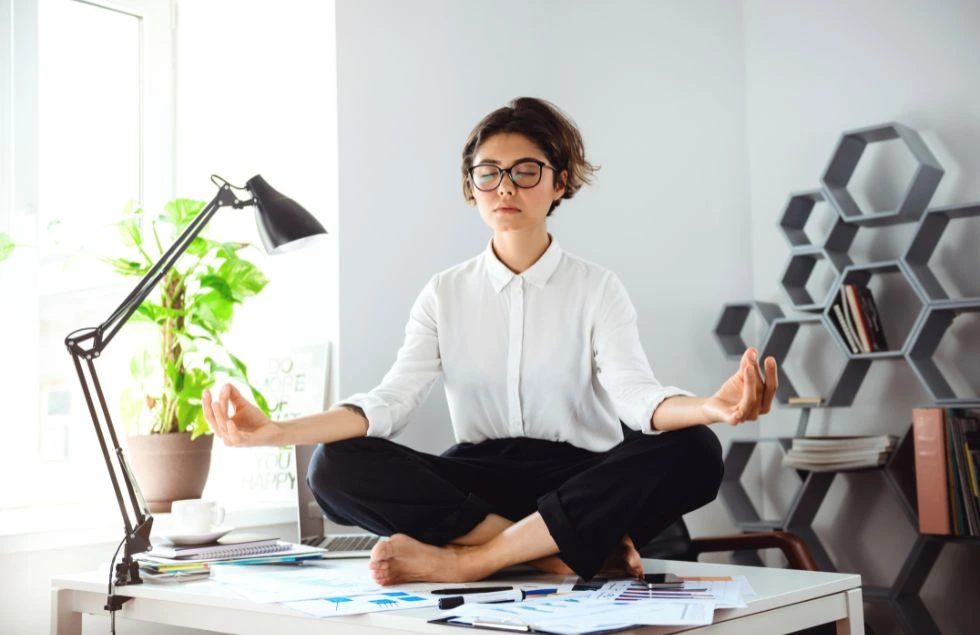
Set clear boundaries between work and personal life. Learn to prioritise what truly matters and let go of tasks that don’t align with your values. Here’s how you can maintain work life balance:
Set Clear Boundaries: Try to not worry too much about your work after your working hours. Rather focus on exercising, pursuing a hobby or spending time with your family.
Learn to say NO: Politely decline work if it does not align with your schedule.
Take Breaks and Holidays: Plan family vacations or visit fitness centers to refresh and clear your mind and eliminate risk of burnout
Following these practices can reduce or control your stress related to work.
2. Stretch Your Muscles
Engage in regular physical activity like yoga, jogging, or even dancing. One of the common symptoms of stress is ‘muscle tension’. Stretching your body every once in a while can relieve your muscles of those tension, providing you some form of relief.
While working, make it a habit to get up and stretch your muscles every once in a while. Here are 5 simple stretching exercises you can do sitting on your office chair.
3. Plan Your Day
Create a daily schedule to stay organised. Write down your tasks and tackle the most important ones first. Using a planner or digital apps can help you stay on track.
Having a plan reduces the chaos and gives you a sense of control over your day. Break your day into manageable chunks and reward yourself for completing tasks.
4. Don’t Procrastinate
Procrastination often leads to anxiety. Break tasks into smaller steps and start with just one. Completing even a small part can give you a sense of accomplishment. Remember, perfection is not the goal here—progress is. Use techniques like the Pomodoro method to keep yourself focused and productive.
5. Exercise Regularly
“Exercise is the best thing you can do for your brain in terms of your memory, learning, and mood. It is a natural stress reducer and antidepressant.” – Dr. John J. Ratey.
Regular physical activity doesn’t just improve your physical health; it’s a powerful stress buster. Aim for at least 30 minutes of exercise a day, whether it’s a brisk walk, swimming, or weightlifting.
Consistent exercise improves your mood and helps you sleep better, both of which are essential for stress management.
Also Read: Want to Build Muscle Without Weights? Try Bodyweight and Calisthenics
6. Laugh Out Loud

Laughter truly is the best medicine. Watch a silly movie, read a hilarious book, or spend time with friends who make you laugh. It’s a simple yet effective way to lighten your mood.
Laughter not only reduces stress hormones but also boosts your immune system. Make laughter a part of your daily routine by seeking out humor in your surroundings.
7. Eliminate or Reduce Tobacco and Alcohol Intake
While tobacco and alcohol can reduce your stress, their effects are short-lived and their side effects worse. Consider healthier alternatives like herbal teas or meditation. Reducing reliance on these substances gives your body a chance to recover and thrive. Seek professional help if needed to break these habits.
Allen Carr’s Easy Way To Quit Smoking is considered one of the most effective books to quit smoking. Multiple celebrities have talked about the effectiveness of the book during their interviews.
8. Manage Social Media Time
Social media is often considered a double-edged sword. While it helps you stay connected, it can also fuel feelings of inadequacy and anxiety. Comparing likes, lifestyles, and materialistic acquisitions can lead to inferior complexion and negative self-talk
To limit the negative effects of social media, start with decreasing your screen time and focus on real-life connections. Taking regular detoxes from social media can significantly improve your mental health.
9. Eat a Balanced Diet
Nourish your body with wholesome foods like fruits, vegetables, whole grains, and lean proteins. Avoid excessive caffeine and sugary snacks, which can make stress worse. Proper nutrition supports your body’s ability to cope with stress. Include foods rich in omega-3 fatty acids and magnesium, which have been shown to reduce stress levels.
Also Read: The Top Superfoods for Immunity: Affordable, Accessible, and Effective
10. Reduce Loud Noise in Your Environment
Loud noise in your surroundings can trigger your stress hormones like cortisol and adrenaline. It can also disrupt your sleep pattern which can increase your stress levels. Loud noise is also known to reduce productivity, concentration and increase frustration causing stress.
Consider noise-canceling headphones if you live in a noisy area. A quieter environment can have a calming effect on your mind. Add plants or calming scents to your space to enhance relaxation.
11. Use Positive Self-Talk
Replace negative thoughts with positive affirmations. Remind yourself of your strengths and achievements. Self-compassion can go a long way in reducing stress. For example, instead of saying, “I can’t handle this,” try, “I’m doing my best, and that’s enough.” Practice gratitude daily to shift your mindset.
12. Ask for Help

It’s okay to lean on others. Talk to friends or family about your worries. If needed, seek professional help from a therapist or counselor.
You don’t have to face stress alone. Asking for help is a sign of strength, not weakness. Join support groups to connect with others who share similar challenges.
Conclusion
Stress is a part of life, but it doesn’t have to define you. By incorporating these techniques into your daily routine, you can reclaim your peace of mind and lead a calmer, happier life. Remember, small changes can make a big difference. Take it one step at a time, and don’t hesitate to seek support when you need it. Your journey to a stress-free life begins now.
If you are interested in reading more blogs related to fitness, mental health, and nutrition, you can read our blogs at Stayfit Stayhealthy.
