

“Gut health is key to overall health” – Kris Carr
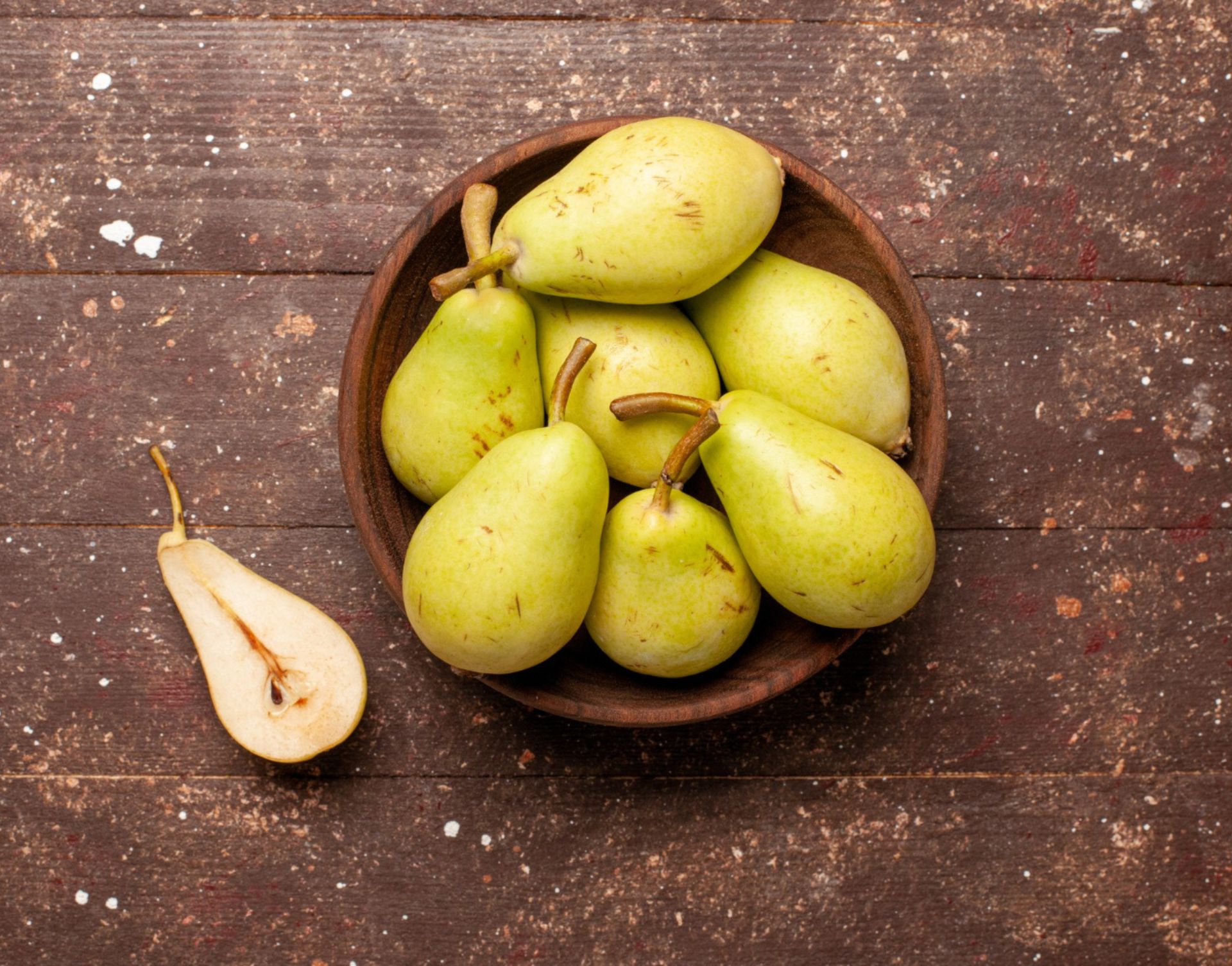
The food we eat directly affects our gut health. Fruits especially are like superfood for ‘good bacteria’ residing in our intestine. One such fruit that we will discuss in detail in this blog is Pear.
But can something, as simple as a pear, improve your gut health?
Absolutely; however, like most food items, it depends on the quantity and how your body responds. If you browse blogs, or watch social media content, a pear is rarely mentioned, yet they are one of the most effective food items for your gut health, providing fiber, hydration, and natural prebiotics.
Let’s unpack how these sweet, juicy fruits can transform your digestive health — and when you might want to go easy on them.
Why Gut Health Matters More Than You Think
Your gut is home to trillions of bacteria and microorganisms known as microbiom

e. Now, before you get grossed out, these micro-sized organisations are as important as your brain and heart.
This complex ecosystem helps with:
- Digesting food
- Improving metabolism
- Regulating mood
- Improving immunity
In fact, according to research, 80% if your immune cells are in your gut.
How to Keep Your Gut Healthy?
There are 2 primary ways to keep your gut healthy:
- Introduce new bacteria
- Feed the existing bacteria the right food.
Let’s understand this in detail
1. Introducing New Bacteria
Probiotic food items are the best ways to introduce new bacteria in your gut. This includes fermented food items like:
- Yogurt
- Kefir
- Kimchi
- Pickles
… and more.
However, it is not as easy to introduce new bacteria in your body as some of the bacteria don’t make past the digestive juices in our stomach. Those who survive the digestive juices, face new challenge: the existing bacteria. Some of them might not be too welcoming for newer members.
So, is eating probiotic food not useful?
Not exactly. Here’s why:
Some food items like yogurt and kefir have protective layers that protect the bacteria from the stomach acid
Even the cell fragments of dead bacteria (postbiotics) can help with inflammation and overall gut health
If an individual has a weak gut or lower count of the good bacteria, introduction of new organisms surely helps.
2. Feeding the Existing Microbiome
This includes instead of adding new bacteria, you provide the right nutrition to the existing colony to keep them health. These micro colonies in our gut love fibre and prebiotics. This includes:
- Whole grains and legumes: Oats, chickpeas, beans.
- Fruits: Pears, banana, apples, kiwi.
- Seeds: Flax seeds, chia seeds.
- Fibre rich food: Onion, asparagus, garlic, chicory root.
Pears, as we know, fall in the second category. Let’s understand what makes pear so special for your gut.
Also Read: Gut Health Diet: Top 5 Recipes for a Happy Microbiome
Nutritional Profile of Pears
Pears might look simply, but nutritionally they pack a punch. Here’s their nutritional values (approximately):
- Calories: Around 100 per medium fruit
- Fiber: 5–6 grams (about 20% of your daily need)
- Water: 84%
- Vitamins & Minerals: Vitamin C, vitamin K, potassium, and copper
- Antioxidants: Polyphenols and flavonoids
The star nutrient here is fiber, particularly pectin, a type of soluble fiber known for its gut-supporting benefits. So, for those wondering is pear good for health: YES.
How Pears Support a Healthy Gut
Here are 4 health benefits of great pear for your gut health
1. Fiber That Keeps Digestion Moving
Fiber are cleaners for your digestive system. It sweeps waste through your intestines and keeps everything running smoothly.
Pears contain both soluble and insoluble fiber:
- Soluble fiber (pectin) forms a gel-like substance in your gut that softens stool and slows digestion, which helps stabilize blood sugar.
- Insoluble fiber adds bulk, helping prevent constipation and promoting regular bowel movements.
In short, pears help your gut find its rhythm naturally.
2. Prebiotics: Feeding the Good Bacteria
Inside your colon live beneficial bacteria like Bifidobacteria and Lactobacillus. These microbes thrive on prebiotics, type of non-digestible fibers your body can’t absorb but your gut bacteria can.
The pectin found in pears is an excellent prebiotic. As gut bacteria ferment it, they produce short-chain fatty acids (SCFAs) such as butyrate, compounds that:
- Nourish the cells lining in your colon
- Reduce inflammation
- Strengthen your intestinal barrier
This makes pears a natural ally in maintaining a balanced and resilient microbiome.
3. Hydration + Fiber = Smooth Digestion
Pears are approximately 84% wate, which makes them one of the most hydrating high-fiber fruits. The hydration pairs extremely well with its fibrous nature.
- The water softens stool, preventing constipation
- Fibre ensures the waste moves softly.
Together they make your morning routine seamless.
4. Antioxidants That Protect the Gut Lining
Beyond fiber, pears contain polyphenols, plant-based antioxidants that reduce oxidative stress in your digestive tract. Some studies suggest these compounds may help protect against inflammation-related gut disorders and even lower the risk of colorectal disease over time.
While pears aren’t the exact cure, their antioxidant and anti-inflammatory properties add another layer of gut protection.
When Pears Might Not Be Ideal
No food item is perfect. Same goes for pears. Here’s when you may want to be cautious:
1. If You Have IBS or a Sensitive Gut
Pears are considered high-FODMAP foods — meaning they contain certain natural sugars (like fructose and sorbitol) that can cause bloating, gas, or discomfort in people with Irritable Bowel Syndrome (IBS) or fructose malabsorption.
If you notice digestive distress after eating pears, try limiting your portion or choosing low-FODMAP fruits like kiwis or strawberries instead.
2. Overeating Can Backfire
Too much of a good thing can upset the balance. Eating multiple pears a day can lead to:
- Loose stools or diarrhoea (due to high fiber)
- Abdominal cramps
- Gas or bloating
One medium pear a day is a healthy amount that supports digestion without overloading the system.
3. Peeled Pears Lose Some Power
The skin of a pear holds nearly half of its total fiber and many antioxidants. If your stomach can handle it, try eating pears unpeeled. Just give them a good wash first.
How to Eat Pears for Gut Health

You can eat the pears as it is or pair it with other gut-friendly food items. Here are some of our suggestions:
- Eat them with yogurt or kefir: Gives you best of both worlds. It combines probiotics (from dairy) with prebiotics (from pears) for a gut-friendly synergy.
- Add sliced pears to oatmeal: Perfect for breakfast. Extra fiber, texture, and sweetness.
- Bake or poach them: This method is perfect for individuals with softer texture makes them easier to digest for sensitive stomachs.
- Blend into smoothies: A great way to retain fiber while adding hydration.
How Pears Compare to Other Gut-Friendly Fruits
|
Fruit |
Fiber |
Water Content |
Gut Heathy Benefits |
Potential Drawbacks |
|
Pears |
3g | 84% | Excellent fiber + hydration + prebiotics | High-FODMAP sensitivity. |
|
Apples |
2.4g |
86% |
Prebiotics + antioxidants | Can cause gas in sensitive guts. |
|
Kiwis |
2g |
83% |
Gentle, enzyme-rich, supports digestion |
Rare allergies. |
|
Banana |
2.6g |
74% |
Resistant starch |
Ripe ones are less prebiotic. |
| Orange | 2.4g |
87% |
Hydration, mild fibre |
Acidic for sensitive stomach. |
Pears stand out because they balance hydration, fiber, and prebiotics better than most fruits — making them one of the best daily choices for a happy gut.
NOTE: The values mentioned in the table are approximate values.
Key Takeaways
- Pears are a fiber-rich, prebiotic powerhouse that support healthy digestion, microbiome balance, and colon protection.
- Their water content and antioxidants further enhance gut function and reduce inflammation.
- However, people with IBS or high sensitivity to FODMAPs may need to moderate their intake.
- For most people, one pear a day — with skin — is ideal for maintaining regularity and gut comfort.
Your gut doesn’t need complicated detoxes or supplements — sometimes, it just needs real food like pears to do its job better.
For more blogs related to health, nutrition, and fitness, you can check out Stay Health and Stay Fit
