
The first thing most of us think about when we hear the word protein is ‘eggs’ and ‘meat’. Eggs and meat are some of the best sources of protein. The amino acids in proteins helps:
- To repair and build tissues.
- Improve the immune system.
- Provides structural support to cells and tissues.
While eggs and meat are undeniable sources of rich, high-quality protein, what about vegetarians and vegans? There has been an evident rise in vegetarianism and veganism across Europe and the USA in the last few years. One of the major problems vegetarians face is the lack of protein in their diet. Here, we will talk about the best sources of plant-based protein, plant-based protein vs. animal based protein, and the pros and cons of plant-based meat/ imitation meat.
Plant-Based Protein vs Animal-Based Protein
| ASPECT | ANIMAL-BASED PROTEIN |
PLANT-BASED PROTEIN |
| Protein Quality | Complete protein with essential amino acids. | Usually incomplete protein but can be completed with combining different foods. |
| Digestibility | Easy to digest. | Hard to digest due to the availability of fiber. |
| Nutrient Content | Rich in Vitamin B, (especially B12), zinc and omega 3 fatty acid. | Rich in fiber, antioxidants, magnesium and iron. |
| Fat Content | Can be high in cholesterol and saturated fats. | Low in cholesterol and fats. |
| Environmental Impact | Higher greenhouse emission. Greater land and water use. | Lower greenhouse emission. Lesser land and water use. |
| Ethical Considerations | Debate over practices pertaining to animal farming. | Considered ethical. |
Understanding Animal-Based Protein: Balancing Benefits and Risks
 (Source: stayhealthyandstayfit.com)
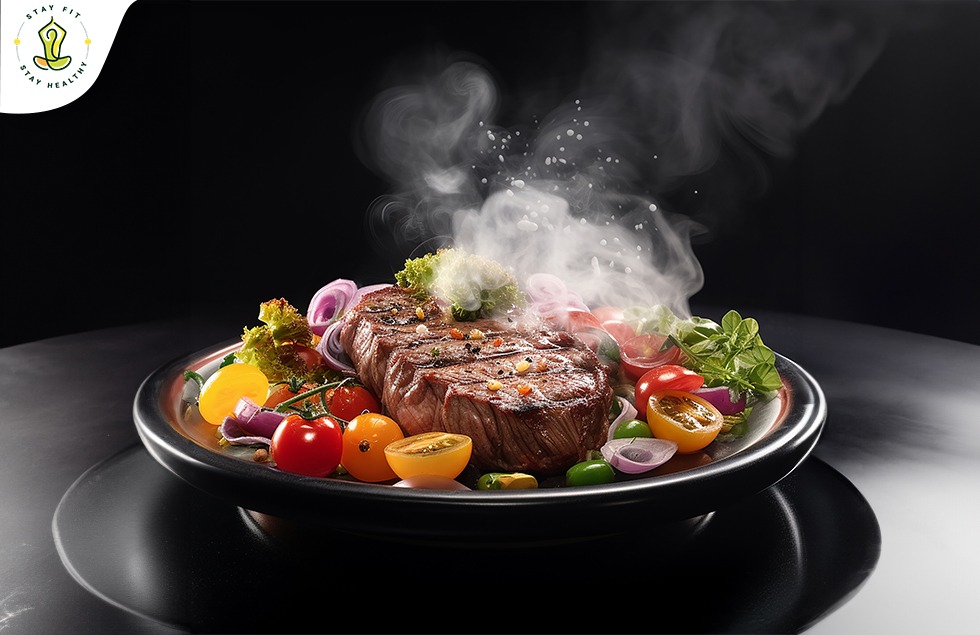
Animal-based protein is derived from:
- Red meat (pork and beef)
- White meat (chicken),
- Fish, and eggs.
The protein is better compared to organic plant protein and is an ideal source of protein. However, there is a tradeoff, and one that might do more harm than good.
According to Dr. Pal, “TMAO produced by our gut bacteria after the consumption of red meat may cause a risk of heart disease.” This does not mean you have to become vegetarian or vegan. In fact, Dr. Pal talks in his videos about how to balance meat and veggies. A regular person usually consumes three meals every day, meaning 21 meals in a week. He explains that 80% of your 21 meals must be meatless meals, and 20% can be meat, preferably white meat or fish.
While meat is protein-rich, bacon, sausage, and deli meat are ultra-processed, making them extremely unhealthy. These can lead to:
- Risk of cardiovascular diseases
- Risk of colon cancer
- Risk of type 2 diabetes
- Weight gain and obesity
The Rise in Popularity of Plant-Based Protein
 (Source: Stay Healthy Stay Fit)
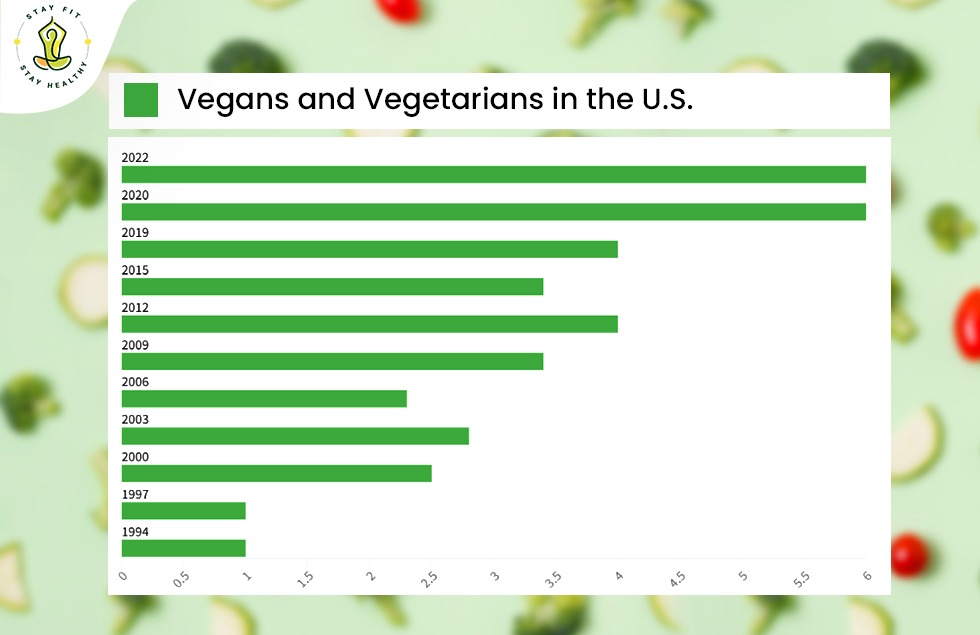
The popularity of plant-based protein is increasing due to health, environmental, and ethical reasons. There has been a steady increase in veganism and vegetarianism. Here are some common reasons why many people are making the switch to vegetarian protein sources.
Health Benefits
- Nutritional Value: Vegetarian meals are rich in fiber, vitamins, minerals, and antioxidants.
- Chronic Disease Prevention: Diets high in plant-based lean protein are linked to lower risks of heart disease, diabetes, and certain cancers.
- Weight Management: These proteins are often lower in calories and higher in fiber, aiding in weight control. For instance, although steak contains more protein, its high cholesterol content can lead to heart disease.
Environmental Impact
- Sustainability: Vegan protein sources have a smaller environmental footprint compared to meat production, using fewer resources and emitting less greenhouse gasses. Animal meat production contributes more greenhouse gasses than all transportation modes combined.
- Biodiversity: Reducing meat consumption helps preserve natural habitats and wildlife.
Ethical Considerations
- Animal Welfare: Many opt for plant-based diets to avoid supporting factory farming and animal suffering.
- Food Security: Plant-based diets can contribute to global food security by being more resource-efficient.
This includes:
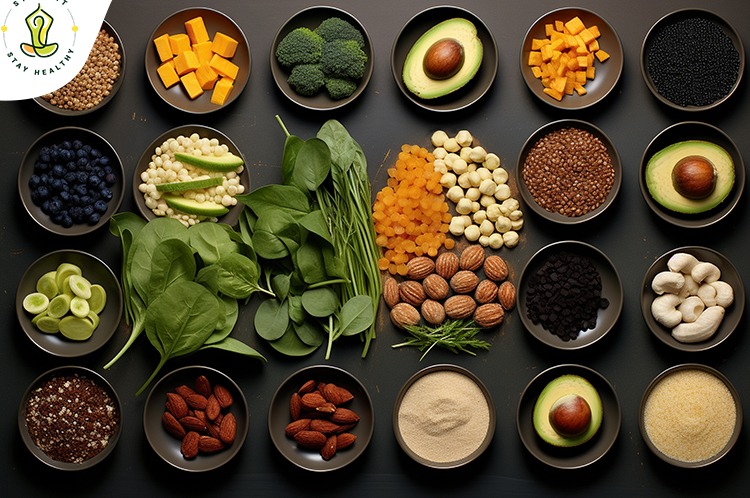
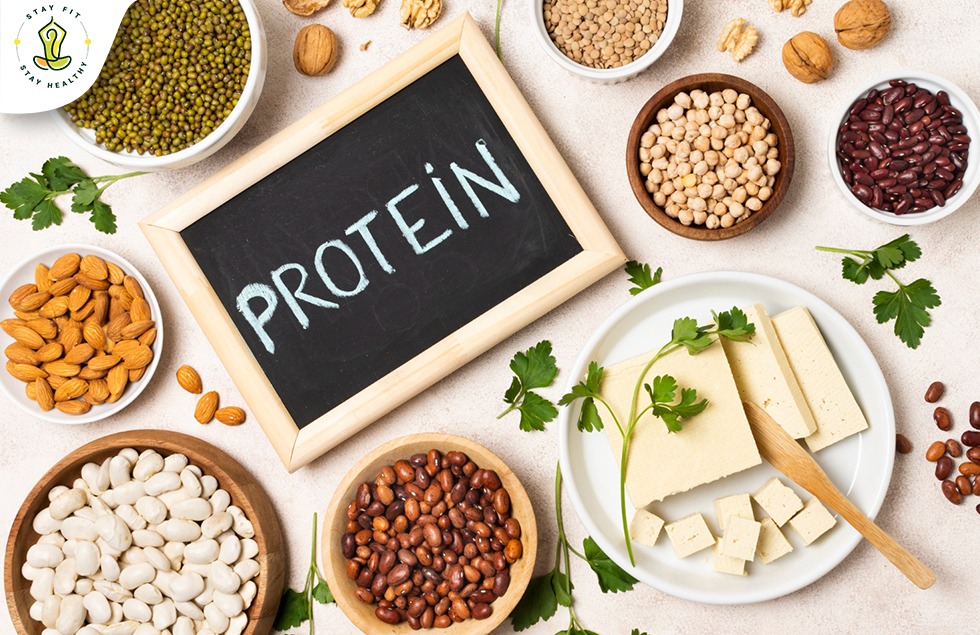
List of The Best Vegetarian and Vegan Protein-Rich Foods
 (Source: Stay Healthy Stay Fit)
While not as high-quality protein as meat, vegans and vegetarians have numerous food options to choose from.
| FOOD PRODUCTS | PROTEIN PER 100 gms |
| Lentils | 9.02 grams |
| Chickpeas | 8.86 grams |
| Black Beans | 8.86 grams |
| Chia Seeds | 16.54 grams |
| Hemp Seeds | 31.56 grams |
| Almonds | 21.15 grams |
| Peas | 5.42 grams |
| Spinach | 2.86 grams |
| Broccoli | 2.82 grams |
| Tofu | 8.08 grams |
| Greek Yogurt (Only for vegetarians) | 10 grams |
| Cottage Cheese (Only for vegetarians) | 11.12 grams |
These are some of the best vegan and vegetarian sources of protein. You can combine these food items to make high protein vegetarian meals. Along with protein, these vegetarian foods are also a great source of fiber, vitamins, and minerals. Another source of protein that is rising in popularity is plant-based meat, but…
WARNING! Is Plant-Based Meat Really Healthy?
A PLANT-BASED product that tastes like MEAT is surely shady. Currently, plant based meats include:
- Sausages
- Burger Patty
- Bacon
- Minced meat
These products taste very similar to real meat, and that is the biggest problem with imitation meat. The imitation meat mentioned above is usually made using genetically modified soybeans. Now, we all know soybeans DOES NOT taste like meat, so what do big corporations do? Artificial flavoring and synthetic coloring. These were the list of harmful products that were found in an imitation meat production giant:
- Caramel Coloring
- Red #3
- Tertiary Butylhydroquinone
- Sodium Polyphosphate
- Neutral Oils
None of these products fall into the healthy category. Furthermore, due to their similar taste to real meat, the prices of these fake meats are also comparable. You can check out this video to learn more about plant-based meat.
If you want your food to taste like meat, you can consume real meat for 3–4 meals a week. It is much healthier and safer than plant-based meat.
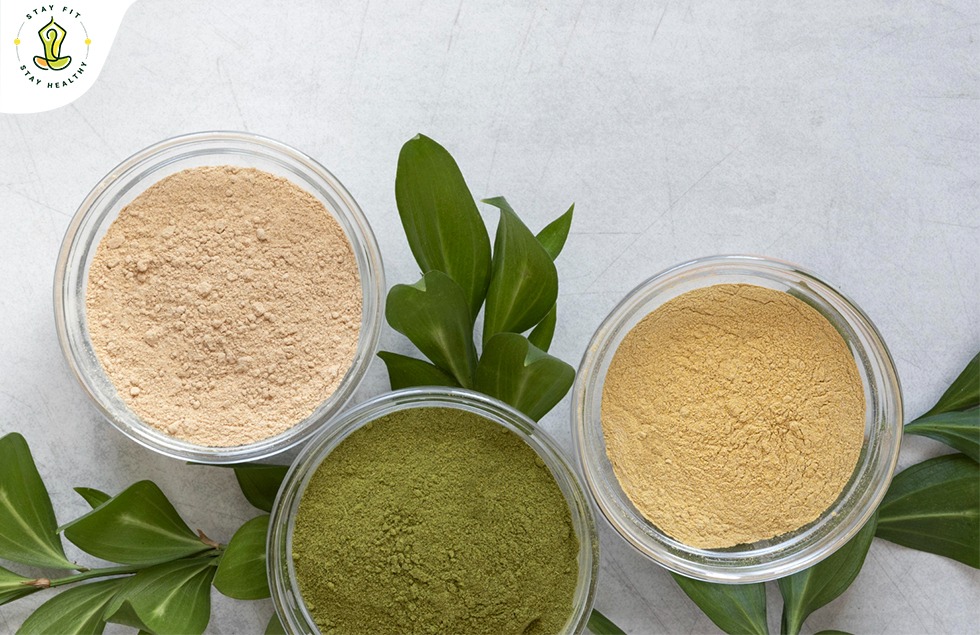
Are Plant-Based Protein Powder Worth It?
 (Source: Stay Healthy Stay Fit)
While whey protein is the most popular protein powder, many companies like OZiva, Muscle Blaze and Cosmix have started production of plant based protein powder which is made using pea protein, soy protein and more. Let’s have a look how this organic protein powder is different from dairy based whey protein powder:
| Aspects | Plant-Based Protein Powder |
Dairy-Based Protein Powder |
| Protein Quality | Varies based on source of protein. | Rich in all the essential amino acids. |
| Nutritional Profile | Lower protein per serving but may contain additional nutrients like zinc and iron and vitamins. | Higher protein per saving. |
| Sustainability for Vegans | Suitable for both vegans and vegetarians. | Only suitable for vegetarians. |
| Absorption Rate | Lower absorption rate | Higher absorption rate |
| Digestibility | Easier to digest. | Might cause problems for people with lactose intolerance. |
While plant based protein powder may lack quality of protein, it compensates it with additional nutrition. It is ideal for people who are lactose intolerant and those who care about animal welfare.
Benefits of Vegan Protein Powder
Digestibility and Gut Health
Many plant-based proteins are hypoallergenic and free from lactose, making them easier to digest, especially for those with lactose intolerance or dairy allergies. The addition of fiber in plant based protein powder, further improved our gut health.
Nutrient Density
Plant-based proteins often come with additional nutrients, such as magnesium, iron, zinc, and B vitamins, contributing to overall health.
Weight Management
The fiber content in plant-based protein powders can help increase feelings of fullness, aiding in weight management and reducing overall calorie intake. Clean vegan protein powder is lower in calories compared to animal-based proteins, making them suitable for those looking to reduce their calorie intake.
Heart Health
Many plant-based protein powders, especially those from sources like hemp and chia seeds, contain heart-healthy fats, including omega-3 and omega-6 fatty acids. These non-dairy protein powders are also naturally free from cholesterol, which further supports cardiovascular health.
The Best Tips for Incorporating Plant-Based Proteins in Your Diet
Incorporate Protein-Rich Foods in Every Meal
Ensure that each meal contains at least one source of protein. This can be as simple as adding beans to salads, snacking on nuts, or having a smoothie with protein-rich ingredients like chia seeds or almond butter.
Diversify Your Protein Sources
Different plant-based proteins offer a variety of amino acid profiles. To ensure you’re getting a complete range of essential amino acids, diversify your protein sources. Diversifying your meals also ensures that you are not bored and that your diet practices continue to be sustainable.
Experiment with Recipes
Explore new recipes that highlight plant-based proteins. Websites and cookbooks dedicated to vegetarian and vegan cooking can provide inspiration and help you discover delicious ways to prepare plant-based proteins. Here are some of our favorite recipes:
Energy Boosting Smoothie
In a mixer grinder add:
- 1 frozen bananas
- 1 and half cup of frozen pineapple chunks
- Some shredded coconut
- 2 spoons of hemp seeds
- Handful of spinach
- Few mint leaves for freshness.
Add water or coconut water and blend well. Your healthy, protein-rich smoothie is ready. You can try different recipes for veggie shake to avoid repetition.
Lunch/Dinner
For your lunch and dinner you can check out Vegan YouTubers or experiment with the list of food items included in the list. Here are some recipes by renowned FoodTubers:
A week of realistic high protein means
High protein vegan meals everyone should know
7 high protein veg breakfast recipes for weight loss
These recipes are able to fulfill your daily protein intake.
Final Thought
While animal protein is a rich and quality source of protein, it can be harmful for both our body and the environment. Plant-based protein, while not as good as animal-based protein, can be more sustainable and safe for our body and environment. However, it is necessary to stay away from plant-based meat, which is made using a bunch of cheap chemicals, food dyes, and artificial flavoring. Remember, we are not here to preach about veganism or ask anyone to change their diet. We have just provided facts that are backed by scientific research. You can check out Stay Healthy Stay Fit for more science-backed articles on health and lifestyle.
