


What if you can get most of the advantages of jogging, without actually jogging? What if you can reap the benefits of jogging by walking? While this may sound unrealistic, it is now possible through rucking. Rucking has been gaining popularity as a low-impact alternative to jogging, offering similar cardiovascular and strength benefits.
Rucking workout is not something new; you have been rucking since you were 10 going to school. Rucking involves walking with a backpack filled with weights. Consider this blog as an Rucking 101; we will cover benefits, how you can start, and things to consider during rucking. Let’s get started.
Why Rucking Will Make You Unstoppable: Benefits
1. Cardiovascular Health
Ruck training is a fantastic way to improve your heart rate, improving cardiovascular health. The added weight increases the intensity, making your heart work harder, similar to jogging or running, without risking your joints.
2. Strength and Endurance
Carrying a weighted backpack engages multiple muscle groups, including your shoulders, back, core, and legs. Over time, rucking cardio builds strength and endurance, particularly in the lower body and core.
3. Improved Posture
The weight of the backpack encourages better posture, as it requires you to stand tall and engage your core to support the load. We are suffering from bad posture because of bad sitting posture and working on PCs for 7-8 hours daily. Regular rucking can help improve your overall posture and reduce the risk of back pain.
4. Burns Calories
Rucking burns more calories than walking due to the added resistance. The heavier the backpack, the more calories you’ll burn, making it an effective exercise for weight management. Compared to walking, rucking can burn 2-3 times more calories. 181 lb is the average weight of Americans. For example, a 181 lb man walking at 3.5 mph for an hour burns 354 calories, but if he adds 50 lbs of weight, he can burn around 530 calories.
|
Distance |
Weight |
||
|
35 Pounds |
50 Pounds |
70 Pounds |
|
|
3.7 miles |
680 calories |
735 calories |
820 calories |
|
8 miles |
1360 calories |
1475 calories |
1635 calories |
|
12 miles |
2040 calories | 2210 calories |
2455 calories |
5. Mental Toughness
Physical and mental health are related. Rucking, by improving our physical health, also indirectly helps improve our mental health. Carrying a heavy load over a distance can be tough, but it teaches discipline, perseverance, and the ability to push through discomfort.
4 Simple Steps To Start Rucking
Step 1: Start
 (Source: Freepik)
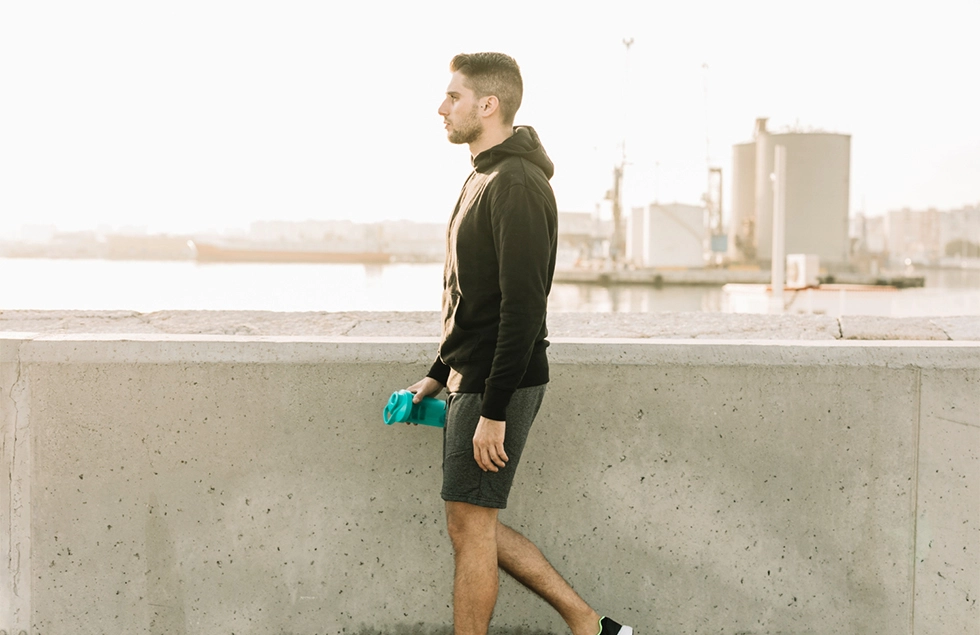
You need to start walking without a backpack. The first step is just to walk around your block or around a mile every day. This step will allow you to enjoy walking. If you have a dog, take your dog for an extra-long walk, or you can just enjoy your walk with your favorite music. Consider this the start of your ruck training program
Step 2: Carry a Backpack
 (Source: Freepik)
Step 3: Invest in Rucking Equipment
 (Source: Freepik)
Technically, you don’t need rucking equipment. You can create DIY weights by adding more books to your laptop or adding bricks that have been cleaned and covered with duct tape. But if you think you are serious, you can buy specialized rucking equipment. This includes specialized backpacks and weight plates that perfectly fit in the bag without bulking it.
Remember that your obsession with equipment shouldn’t overshadow your workout.
Step 4: Continue
 (Source: Freepik)
The final step is to keep progressing by either increasing weight, walking faster, or both. You can also participate in ruck marching or join a rucking club to socialize with likeminded people.
Beware! Factors to Consider Before Rucking
Before starting ruck training, there are several important factors you need to consider to ensure you get the most out of your workout without risking any injury. Here’s what you should keep in mind:
1. Assess Your Fitness Level
Rucking is much more than just walking and can be very demanding for your body, especially with added weight. Therefore, it is important to walk with weight initially.
2. Choose the Right Gear
If you are serious about rucking, you will need the following 4 common pieces of gear:
- Backpack: Invest in a sturdy, comfortable backpack designed for rucking or hiking. It should have padded shoulder straps, a waist belt, and a suitable fit to distribute the weight evenly. Cheap bags with uneven distribution can cause pain in your shoulder area. Nowadays you can also buy a man and woman rucksack with different designs.
- Weight Selection: You can start with everyday items like books, water bottles, or dedicated ruck weights. Ensure the weight is secured and balanced to prevent shifting during movement. Eventually you can shift to weight plates.
- Footwear: If you own jogging boots, use them. If not, wear any shoes that are most comfortable for you. Good footwear reduces the risk of blisters and provides the necessary support for your feet and ankles.
Clothing: Dress in moisture-wicking, breathable clothing to stay comfortable during your ruck. Layering is key if you’re rucking in varying weather conditions.
3. Focus on Proper Form
- Posture: Maintain an upright posture with your shoulders back and core engaged. This is the reason why you need to start slow. If you start with heavy plates, you might strain your back because of the wrong posture.
- Stride: Keep a natural stride and avoid overstriding, which can lead to injuries. Your steps should be steady and controlled.
4. Plan Your Route
- Start on flat, even terrain to get accustomed to the added weight. Once you are comfortable with flat terrain, you can later continue.
- Choose a manageable distance, especially when starting. Time your walks and try to improve timing for the same distance before increasing the distance.
- Plan your route with safety in mind. If you’re rucking alone, inform someone of your route and expected return time.
5. Hydration and Nutrition
Rucking can be physically demanding, especially in warm weather. Carry water with you and take regular hydration breaks. Adding a water bottle also improves the weight of your bag. You can also carry fruits or a granola bar.
6. Listen to Your Body
- Avoid Overtraining: Rucking is a fantastic workout, but it can be tough on your body. Pay attention to signs of fatigue, soreness, or discomfort, and don’t hesitate to take rest days and breaks.
- Monitor for Injuries: If you experience persistent pain, especially in your back, knees, or feet, it might be a sign that you need to adjust your weight, posture, or footwear. Don’t ignore these signs; addressing them early can prevent more serious injuries.
7. Warm-Up and Cool-Down
- Warm-Up: Always start with a dynamic warm-up to prepare your muscles and joints for the physical activity ahead. Simple exercises like leg swings, arm circles, and a few minutes of brisk walking can be effective.
- Cool-Down: After rucking, take time to stretch and cool down. This helps prevent muscle stiffness and promotes recovery.
By considering these factors, you’ll be well-prepared to start ruck training safely and effectively.
Key Dietary Recommendations for Rucking
 (Source: Stayhealthyandstayfit)
1. Carbohydrates for Energy
- Complex Carbs: Complex carbohydrates are the primary source of energy. They include whole grains like oats, brown rice, quinoa, and sweet potatoes.
- Pre-Ruck Meal: Have a balanced meal with carbs and a bit of protein 2-3 hours before rucking. Consider consuming a bowl of oatmeal accompanied by nuts and fruit.
2. Protein for Muscle Recovery
- Lean Protein: Essential for muscle repair and recovery. Include sources such as chicken, turkey, fish, eggs, and plant-based options like lentils and tofu in your diet.
- Post-Ruck Protein: Consume protein within 30-60 minutes after rucking to aid muscle recovery. A protein shake with a banana or a meal with lean protein and veggies works well.
3. Healthy Fats for Sustained Energy
- Unsaturated Fats: Incorporate food sources like avocados, nuts, seeds, and olive oil. Fats provide long-lasting energy, especially during extended rucking sessions.
- Balanced Meals: Ensure your meals include a mix of carbs, protein, and healthy fats to keep you fueled and satisfied.
4. Nutrient-Dense Foods
- Fruits and Vegetables: These provide essential vitamins, minerals, and antioxidants. They help with recovery and overall health. Include a variety of colors in your diet.
The Role of Technology in Rucking
 (Source: Freepik)
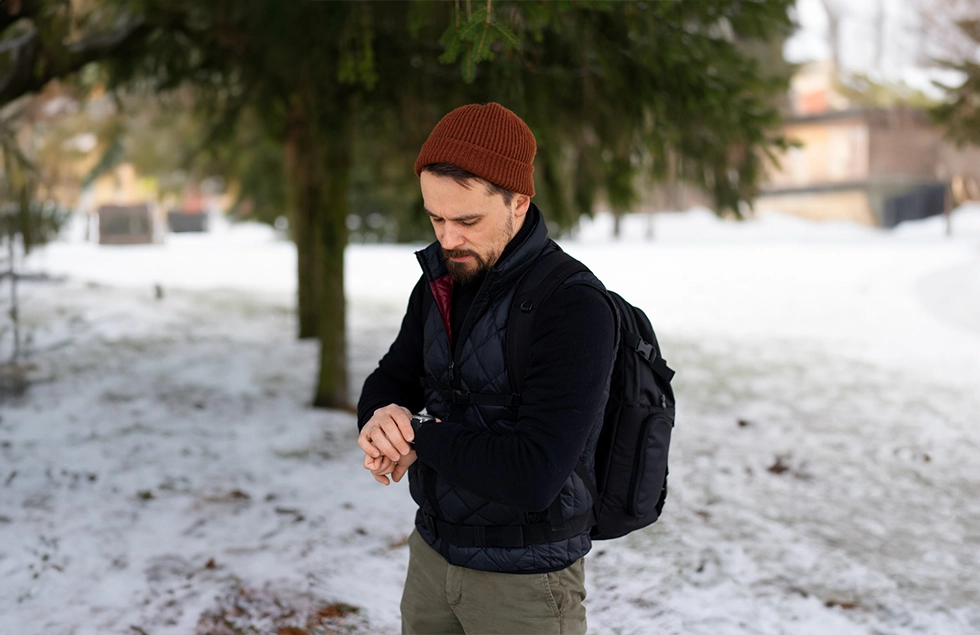
Fitness trackers use various technologies to monitor different health metrics. Here’s a breakdown of how they measure heart rate, calorie count, sleep quality, and step count:
Technology has significantly enhanced the experience and effectiveness of rucking, making it easier to track progress, ensure safety, and improve overall performance. Here’s how technology plays a role in rucking:
1. GPS and Tracking Devices
GPS devices and apps like Strava, AllTrails, or Google Maps help ruckers navigate unfamiliar terrain, ensuring they stay on course during long hikes. These tools allow ruckers to plan and map out their routes in advance, taking into account distance, elevation, and difficulty levels.
2. Wearable Fitness Trackers
Having a wearable fitness tracker can be extremely beneficial for rucking. It checks heart rate, calorie count, and step count. Using a tracker, you’ll be able to measure your success and decide whether you are ready to take the next step.
Other technological devices include:
- Training apps
- Nutrition tracking apps
- Safety and communication devices
- App for music and podcasts.
Conclusion
Rucking is a versatile and accessible form of exercise that combines the benefits of strength training and cardio. With the added advantages of technology, rucking has become safer, more efficient, and more enjoyable. Whether you’re aiming to improve endurance, build muscle, or simply enjoy the outdoors, rucking offers a unique way to challenge both body and mind, fostering resilience and a strong sense of accomplishment with every step.
If you are interested in reading more blogs related to health and fitness, you can check out StayFit StayHealthy.
