

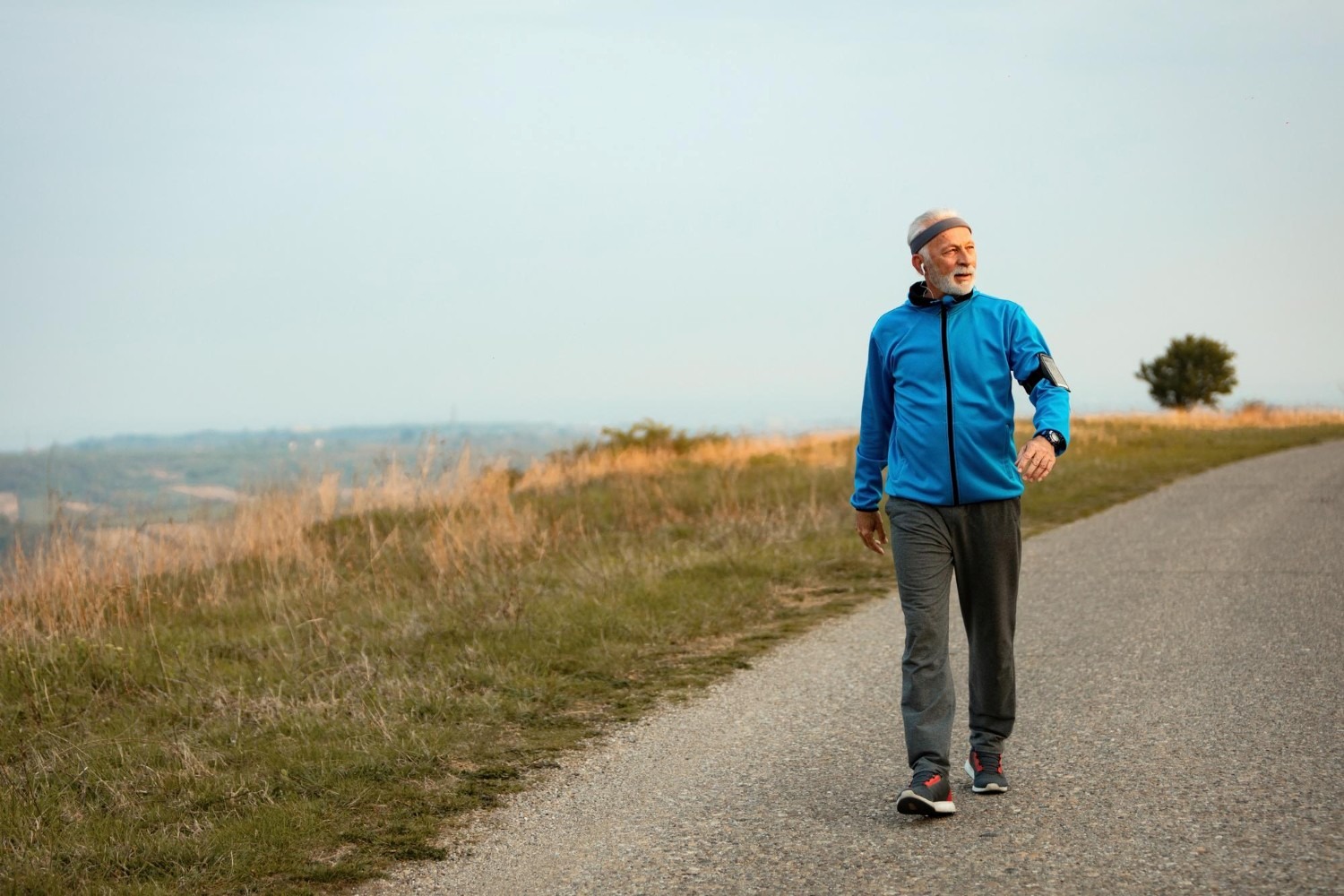
In the past, we have talked about cardio, Pilates, HIIT, and weightlifting exercises to improve your physical and mental health. But for this blog, we are sticking with simplicity. A simple yet effective exercise to improve your overall heath is walking.
“Walking is the closest thing we have to a wonder drug.” – Dr. Thomas Frieden, former CDC Director.
However, the simple act of walking also has different types including casual walking, brisk walking, meditative walking, retro walking, and the current favourite 6-6-6 walking style.
6-6-6 walking challenge is relatively new but with impressive health benefits. It’s simple, structured, and surprisingly powerful. In this blog, we will break down the 3 6s of this method, its advantages, and a beginner’s guide. Let’s get started.
What Is the 6-6-6 Walking Method?
The 6-6-6 walking workout includes:
- 60 minutes of brisk walking
- At 6 am or 6pm
- Along with 6 minutes of warm up and cool down.
As you can see, it is not as intimidating as the name sound. In fact, the 6-6-6 Walking Method is designed to be simple, sustainable, and structured.
This method has gained popularity among fitness beginners, professionals juggling busy schedules, and even older adults looking for a safe and effective way to stay active.
Why 6 AM or 6 PM? The Power of Timing
Contrary to the belief that the timing is just thrown for fun or to keep the sixes constant, the timing of your exercise can also have significant effect on your body.
6 AM: A Fresh Start

- Early morning walks are powerful. The air is fresh, temperature is cool, your mind is clear, and distractions are minimal.
- It also allows your body to absorb the natural light which improved body’s circadian rhythm, boosts Vitamin D, and improves your sleep cycle.
- Walking in the morning also sets a positive tone for the rest of your day. You’ll likely make better food choices, manage stress more calmly, and feel more energised.
6 PM: A Decompression Ritual

If you are not an early bird, you can start your walk at 6 pm. Here are some of the benefits of evening walks:
- After a long workday, a 60-minute walk at 6 PM helps clear your head, release tension, and transition into personal time.
- It’s also a great way to boost your step count and counteract sedentary behaviour if you’ve been at a desk all day.
Whether you’re a morning person or a night owl, this method allows you to choose the window that suits your lifestyle best.
NOTE: If you are not a morning person, don’t start in the morning, as you might not be able to sustain this for a longer period
6 AM and 6 PM: Best of Both Worlds
If you are a beginner, brisk walking for 60 minutes can be quite challenging. Here, you can break your workout in two parts; half an hour in the morning and remaining in the evening.
Health Benefits of the 6-6-6 Walking Routine
You should not sleep on the benefits of 6-6-6 walking routine just because it does not include lifting weights or high-intensity cardio. “If you could take one thing and put it in a pill that could reduce your risk of death, improve your quality of life, and cost almost nothing, it would be walking.” – Dr. Mike Evans, Associate Professor of Family Medicine. Let’s have a look at some of the physical and mental benefits of 6-6-6walking method.
Physical Health Benefits

- Heart Health
Walking regularly strengthens the heart, improves circulation, and helps lower blood pressure and cholesterol levels. - Improved Blood Sugar & Insulin Sensitivity
Regular walking helps regulate blood sugar levels, making it a great activity for people managing or trying to prevent Type 2 diabetes. - Joint Health & Mobility
Because of its low impact on joints, walking is easier on the joints than jogging or HIIT workouts. It also improves joint lubrication and supports mobility, especially when paired with warm-ups and cool-downs.
A new study found that just 15 minutes of brisk walking each day can lower mortality risk by 19%.
Mental & Emotional Health Benefits

- Stress Reduction
Walking, especially in nature or quieter areas, helps lower cortisol levels (the stress hormone). A 2019 study published in Frontiers in Psychology showed that walking for even 15 minutes can lower perceived stress - Mood Boosting
Exercise stimulates endorphin release (feel-good chemicals). You’ll often find yourself returning from a walk in a better mood than when you left. - Better Sleep
Both morning and evening walks can improve sleep quality over time. Morning walks help sync your natural sleep-wake cycle, while evening walks help relax the body and mind before bedtime.
How to Start: A Beginner’s Guide
If you’ve never followed a structured walking routine before, don’t worry, this method is incredibly beginner friendly. Here’s how to ease into the 6-6-6 walking challenge without burning out:
Step 1: Get the Right Gear
Investing in the right basic gear is important. Here, we don’t mean expensive smartwatches, or expensive branded shoes. Here are some of the basic requirements:
- Sport shoes (most important gear). Wrong shoes can injure your toes.
- Comfortable clothes
- Jacket or hoodie if you live in colder region.
- Water bottle (especially if you leave in warmer regions)
Step 2: Plan Your Route
- Choose a safe and familiar path. According to research, walking in nature is much better than walking in urban areas; therefore, if possible, take the scenic route.
- You can walk in your neighborhood, on a treadmill, or in a park. Flat routes are great for beginners, but you can introduce inclines over time for extra burn.
Step 3: Warm Up (6 Minutes)

Warmups are very important. No warmup does not give your body the time to adjust, which can lead to joint pain, muscle pulls, and sluggishness during the walk.
Start with a light pace and dynamic stretches:
- Neck rolls
- Arm swings
- Shoulder circles
- Hip circles
- Ankle rolls
These simple movements help lubricate joints, activate your muscles, and signal to your body that movement is about to begin.
Step 4: Walk (60 Minutes)
- Aim for a moderate pace. You should be slightly out of breath but still able to hold a conversation.
- If 60 minutes feels like a lot at first, start with 20–40 minutes and gradually build up. Trying too hard too soon may cause injury and is not sustainable.
- You can split your walk into two 30-minute sessions if needed, especially when just starting out.
Step 5: Cool Down (6 Minutes)

When driving, if we must stop, we slow down the speed in advance before eventually breaking. Cool down exercises do the same.
Slow your pace and add static stretches for:
- Hamstrings
- Calves
- Lower back
- Quads
- Hip flexors
This reduces soreness, improves flexibility, and gives your heart rate time to return to normal.
How to Turn this Walking Trend into a Habit?

New challenges and habits are easy to start as we are motivated to try something new, but after a few weeks, it gets repetitive. The initial motivation fades and the thought of walking is not fun anymore. So how can you keep going when motivation fades:
-
Set a 30-Day Challenge
Print out a tracker or use a habit app. Mark each successful walk. A visual record builds accountability and gives a sense of achievement.
-
Use Audio to Enhance the Experience
Try:
- Uplifting music playlists
- Your favorite podcasts
These can transform your hour into a self-care ritual or learning session.
-
Track Your Steps or Distance
You don’t need a smart watch for this; mobile apps can measure your progress. Celebrate milestones like your first 5,000-step day or 20-walk streak.
-
Find a Walking Buddy
If motivation is low, pair up with a friend or a family member. Walking with someone else adds joy and social connection. Socializing also helps reduce loneliness and isolation which are related to cardiovascular diseases.
Who Should Be Cautious?

While walking is one of the safest forms of exercise, a few people should take extra care:
- If you have chronic joint pain, arthritis, or plantar fasciitis, consult a doctor before starting a daily routine.
- People with heart conditions, dizziness, or breathing issues should speak with a healthcare provider to determine intensity levels and duration.
- If you’re pregnant, walking is usually encouraged, but be mindful of posture, hydration, and overexertion.
Always listen to your body. Pain, breathlessness, or discomfort that doesn’t go away is a sign to pause and reassess.
Final Thoughts
In a world full of complicated workouts and unrealistic fitness trends, the 6-6-6 walking challenge brings us back to something refreshingly simple and powerful.
Walking at 6 AM or 6 PM, for 60 minutes, with proper warm-up and cool-down, isn’t just about burning calories. It’s about showing up for yourself. You don’t need to be an athlete to start. You just need to start.
One step at a time, this habit can transform how you feel, think, move, and live. So, lace up your shoes, choose your hour, and take that first step because better health might be just a walk away.
For more blog related to recent fitness trends and diet tips, you can check out Stay Healthy And Stay Fit.
