
Did you know that over 50% of the calories consumed in the average American diet come from ultra-processed food? These foods dominate grocery shelves and meal plans, from colourful snack aisles to quick microwave dinners. But behind their convenience lies a dark side that could impact your health more than you realise.
America’s love for convenience has fueled the rise of super-processed foods. These products, designed for long shelf lives and irresistible flavours, are often packed with additives, sugars, and artificial ingredients. According to the latest nutrition examination survey, the consumption of these foods has steadily risen over the past two decades. Their prevalence isn’t just a trend—it’s a public health concern.
Not all processing is bad. Processes like pasteurisation or freezing can make food safer and more nutritious. However, the balance shifts when we cross into ultra-processed food. These items are stripped of natural nutrients and filled with synthetic ones to create addictive textures and tastes. The result? A food culture that prioritises profit over health.
What Are Ultra-Processed Foods?
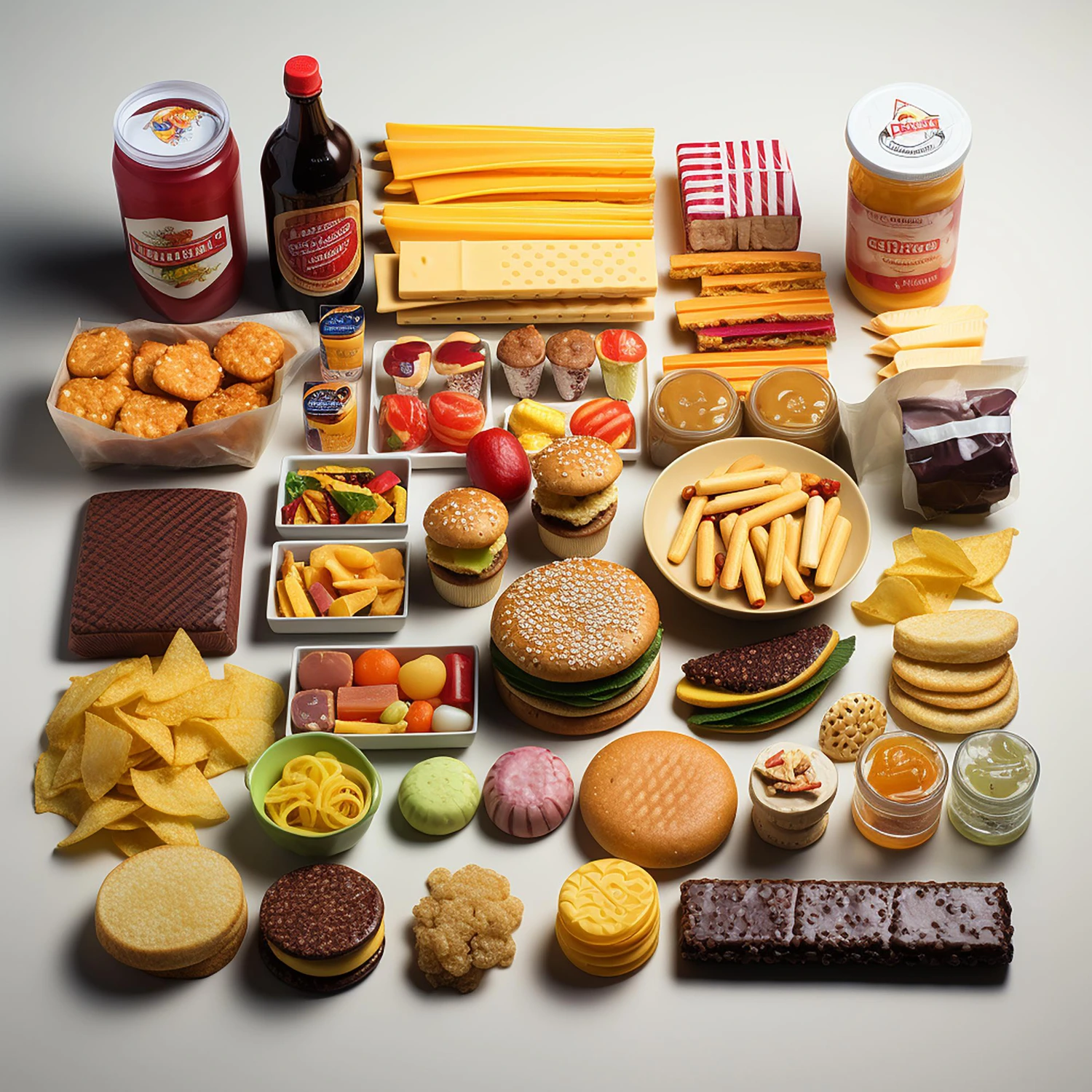
To understand the hidden dangers, let’s first define the term. The NOVA classification system categorises foods into four groups based on their level of processing. Ultra-processed foods are in the fourth category, including items made with industrial ingredients and far from their natural state. Think of snacks, sodas, and instant noodles—the epitome of unhealthy processed foods.
Examples of Ultra-Processed Foods
Here’s a quick ultra-processed food list to make it crystal clear:
- Sugary cereals
- Packaged baked goods
- Instant soups
- Sodas and energy drinks
- Processed meat alternatives
These items often dominate the list of ultra-processed foods to avoid because of their high sugar, salt, and fat content combined with minimal nutritional value.
Why Are Ultra-Processed Foods Unhealthy?
Ultra-processed foods do more harm than just adding empty calories to your diet. Studies show links between these foods and a higher risk of obesity, Type 2 diabetes, and cardiovascular diseases. The excess sugar and unhealthy fats in super-processed foods wreak havoc on your body over time.
The findings from the nutrition examination survey further revealed that people consuming more ultra-processed foods tend to have nutrient deficiencies, leading to long-term health problems.
When you consume unhealthy processed foods, your body struggles to metabolise artificial additives and preservatives. This can disrupt hormonal balance, trigger inflammation, and even impair brain function. In contrast, incorporating healthy, non-processed foods into your meals promotes well-being.
The Types of Food Processing
Not all processed foods are harmful, but understanding the types of food processing is essential to making informed choices. Here’s a breakdown:
- Unprocessed Foods: These are whole foods in their natural state, like fresh fruits, vegetables, and nuts. They provide maximum nutrients and should form the foundation of any diet.
- Minimally Processed Foods: Foods such as frozen vegetables or pre-washed salad greens are altered for convenience or safety. These are close to natural and retain most of their nutritional value.
- Processed Culinary Ingredients: Items like oils, sugars, and salts extracted from natural foods and used for cooking. While not inherently harmful, overuse can lead to health issues.
- Ultra-Processed Foods: Foods from the ultra-processed food list that are chemically altered with additives, artificial flavours, and preservatives to mimic fresh foods. These are the ones to avoid for better health.
Why Ultra-Processed Foods Are the Real Culprits
 (Source: freepik)
The health effects of super-processed foods go beyond weight gain. Their high sugar, salt, and fat content can lead to chronic conditions:
- Obesity: These foods are calorie-dense and nutrient-poor, making overeating easy while leaving your body undernourished.
- Diabetes: Refined sugars and carbohydrates in unhealthy processed foods cause blood sugar spikes and insulin resistance over time.
- Heart Disease: Trans fats and excessive sodium in the worst processed foods increase the risk of hypertension and cardiovascular issues.
- Digestive Problems: The lack of fibre in these foods disrupts gut health, contributing to inflammation and bloating.
Processed Foods vs. Healthier Alternatives
 (Source: freepik)
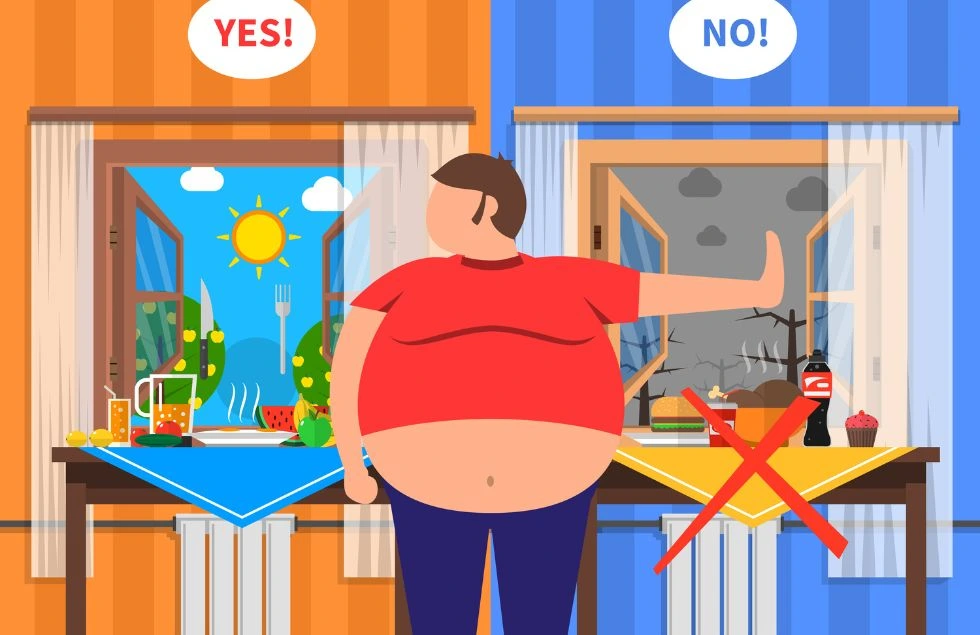
| Processed Foods | Healthier Alternatives |
| Sugary snacks (candies, cookies) | Fresh fruits, nuts |
| Ultra-processed bread (mass-produced loaves) | Whole grain, non ultra-processed bread |
| Heavily flavoured dips or desserts | Minimally processed hummus, plain yoghurt |
A List of Ultra-Processed Foods to Avoid
To reduce your intake of harmful foods, avoid items on this list of ultra-processed foods commonly found in kitchens and stores:
- Packaged chips and crackers
- Instant noodles and boxed pasta mixes
- Sugar-loaded sodas and energy drinks
- Artificially sweetened breakfast cereals
- Frozen meals with long ingredient lists
These foods fall under the list of ultra-processed foods to avoid because they lack essential nutrients and often contain harmful additives. The worst processed foods are particularly dangerous because of their high trans fat and artificial sugar content.
Why Transitioning to a Non-Processed Diet Matters
Switching to a diet without processed foods reduces the risks mentioned above and promotes a better quality of life. A no processed sugar diet can stabilise your energy levels while incorporating healthy unprocessed foods can improve digestion, mental clarity, and skin health.
Benefits of an Unprocessed Diet
- Improved Nutrient Intake: Whole foods provide essential vitamins, minerals, and fiber missing in unhealthy processed foods.
- Lower Risk of Chronic Diseases: By avoiding the worst processed foods, you reduce your chances of obesity, diabetes, and heart disease.
- Better Mental Health: A diet rich in healthy, unprocessed foods has been linked to lower rates of depression and anxiety.
How to Transition to a Non-Processed Diet Without Overwhelming Yourself
- Start with Simple Swaps
Replace heavily processed items with healthier alternatives:
- Choose non-ultra-processed bread made with whole grains instead of packaged white bread.
- Replace sugary drinks with infused water or herbal teas.
- Swap store-bought snacks with healthy convenience foods like roasted chickpeas or homemade granola.
- Focus on Whole Ingredients
Emphasise foods naturally, such as fresh vegetables, fruits, lean proteins, and whole grains. These are the building blocks of an unprocessed diet and are rich in nutrients your body craves. - Cook at Home More Often
Preparing meals at home allows you to control the ingredients. Use sparingly processed culinary ingredients like olive oil and spices to enhance flavours naturally. This eliminates the hidden sugars and preservatives often found in unhealthy processed foods.
The Benefits of Adopting an Unprocessed Diet
Shifting to a non-processed diet comes with a host of health benefits:
- Increased Energy Levels
Replacing super-processed foods with nutrient-dense options helps stabilise blood sugar, providing sustained energy throughout the day. - Enhanced Digestion
Whole foods are high in fibre, promoting gut health and reducing bloating often caused by unhealthy processed foods. - Long-Term Disease Prevention
Reducing your intake of the worst processed foods lowers your risk of chronic illnesses like heart disease, diabetes, and certain cancers. - Mental Clarity and Better Mood
A diet rich in healthy, unprocessed foods has been linked to improved mental health and cognitive function.
Final Thoughts: Taking Control of Your Health
The dangers of ultra-processed food are real, but the power to change your diet is in your hands. You can transform your health and well-being by focusing on a no-processed sugar diet, incorporating healthy unprocessed foods, and avoiding the list of ultra-processed foods to avoid.
Ready to dive deeper into tips for maintaining a balanced, healthy lifestyle?
Visit Stay Healthy Stay Fit for expert insights, recipes, and actionable advice to support your wellness journey.
