

The Rise of Sustainable Eating
Today, individuals and organizations all over the world are acknowledging and addressing climate change as a pressing issue. One impactful way to combat climate change is through sustainable eating practices, which focus on consuming food that is produced in ways that are environmentally friendly and socially responsible.
Agriculture is a major contributor to greenhouse gas emissions, and sustainable practices can help to reduce this impact. Additionally, there is a growing recognition of the importance of biodiversity and the need to protect ecosystems. Sustainable farming practices can help to preserve biodiversity and maintain healthy ecosystems.
By making conscious food choices, you can contribute to the preservation of our planet for future generations.
Why Should we Incorporate Sustainable Eating in Our Daily Lives
Sustainable eating is more than just a dietary choice. It is a powerful tool for addressing some of the most pressing global challenges. It has the power to inflict environmental, social, and health benefits. By choosing foods that are produced sustainably, you can support farmers who prioritize environmental conservation and community well-being. This holistic approach to eating can lead to a more resilient and equitable food system for all.
Environmental Impact
One of the most significant impacts of sustainable eating is on the environment. The food industry is a major contributor to climate change, primarily due to greenhouse gas emissions from livestock production, deforestation, and transportation. A report in “The Lancet” highlighted the importance of shifting towards plant-based diets for both human health and the planet. Vegan and vegetarian diets were found to be associated with the greatest reductions in greenhouse gas emissions.
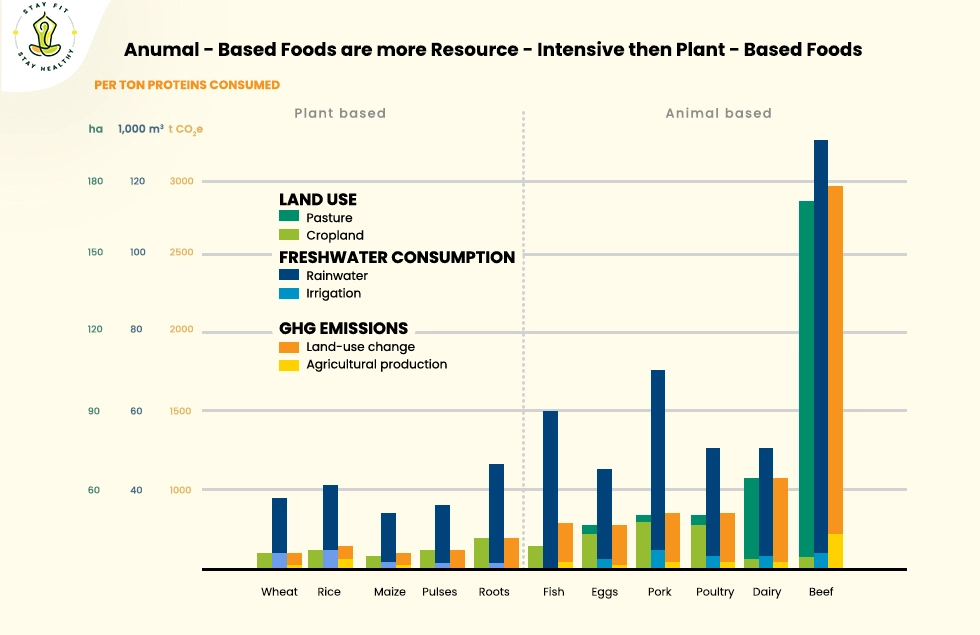 (source:-stayhealthyandstayfit)
Researchers estimate that by adopting more plant-based diets and implementing other emissions reduction measures, we could have a 50% chance of meeting the 1.5°C climate target. This probability can be increased to 67% by combining dietary changes with broader food system reforms.
Health Benefits
Scientific evidence increasingly supports the health benefits of a plant-based diet. As highlighted by the World Health Organization (WHO), a diet mostly plant-based and low in salt, saturated fats, and added sugars is recommended for a healthy lifestyle. Such diets are widely associated with a lower risk of premature mortality and offer protection against noncommunicable diseases (NCDs).
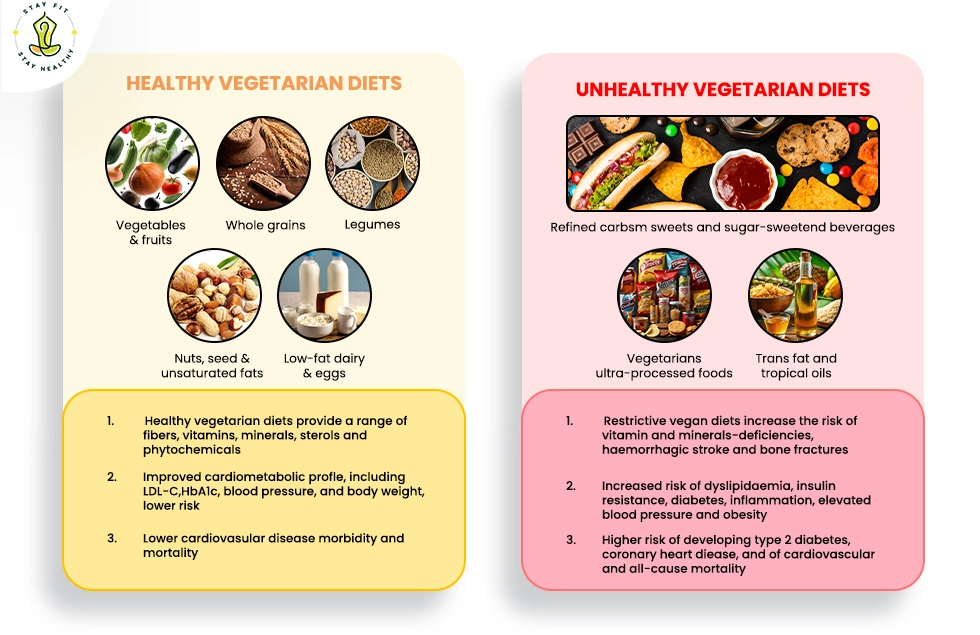 (source:-stayhealthyandstayfit)
A comprehensive review of existing research has consistently found that vegetarian and vegan diets are generally associated with better cardiovascular health, reduced cancer risk, and lower risk of cardiovascular diseases and death. These diets offer benefits related to lipid profile, glycemic control, body weight/BMI, inflammation, and ischemic heart disease.
Randomized clinical trials, considered the gold standard in medical research, have further confirmed the protective effect of vegetarian diets for preventing diabetes and reducing weight, blood pressure, glycosylated hemoglobin, and low-density lipoprotein cholesterol. While there is limited data for cancer and cardiovascular event rates, the evidence supports the health advantages of plant-based eating.
Social Benefits
Beyond its environmental benefits, sustainable eating can also have a profound positive impact on society. By supporting local economies and promoting the consumption of locally produced, seasonal foods, we can strengthen our communities and reduce our reliance on long-distance transportation.
Furthermore, sustainable food practices play a crucial role in ensuring food security, especially in vulnerable communities. By reducing food waste and supporting equitable food distribution, we can help address food inequality and improve the well-being of people around the world.
Research has shown that sustainable eating can also contribute to social justice. A study published in the journal “Frontiers in Psychology” found that individuals who engage in sustainable food consumption are more likely to exhibit prosocial behaviors, such as volunteering and donating to charitable causes.
Sustainable Eating Made Easy: 6 Practical Tips for Everyday Life
-
Buy Local and Seasonal
Purchasing local and seasonal produce supports your community’s economy and reduces the environmental impact associated with transportation. When you buy locally and eat seasonally, your food typically travels a shorter distance, resulting in lower carbon emissions. Additionally, seasonal produce is often at its peak ripeness, meaning it’s more nutritious and delicious.
-
Reduce Meat Consumption
Meat production is a significant contributor to greenhouse gas emissions, water consumption, and deforestation. By reducing your meat consumption, you can make a positive impact on the planet. Incorporate more high protein vegetarian meals into your diet, such as beans, lentils, tofu, and tempeh. Consider trying meatless Mondays or exploring vegetarian or vegan recipes.
-
Consider Your Food Sources
Be mindful of where your food comes from. Look for products that are sustainably sourced and certified organic. These certifications often indicate that the food was produced using environmentally friendly practices, such as avoiding harmful pesticides and preserving soil health.
-
Minimize Food Waste
Reducing food waste is a simple yet powerful way to contribute to sustainability. Plan your meals, store food properly, and learn to use leftovers creatively. Composting food scraps can also reduce landfill waste and create nutrient-rich soil for gardening.
-
Cook at Home More Often
Cooking at home allows you to have greater control over the ingredients you use and the amount of waste you produce. It can also be more cost-effective than eating out. Explore new recipes, experiment with different flavors, and enjoy the satisfaction of creating delicious and sustainable meals.
-
Choose Sustainable Packaging
Opt for products with minimal packaging or packaging that is recyclable or compostable. Avoid single-use plastics and bring reusable bags for grocery shopping. By making conscious choices about packaging, you can help reduce waste and protect the environment.
Following these simple tips can help you shift to sustainable eating. Remember, it is not a simple task and it’s okay to fail sometimes. Sustainable eating is not only beneficial for your health but also for our planet which is plagued with climate change, food wastage and excessive greenhouse gas emissions.
Small Steps, Big Impact
Sustainable eating is a powerful tool for combating climate change, promoting health, and fostering social justice. By making conscious food choices, we can contribute to a more resilient and equitable food system for all.
From reducing our carbon footprint to improving our overall health, the benefits of sustainable eating are far-reaching. By incorporating simple changes into our daily lives, such as buying local and seasonal produce, reducing meat consumption, and minimizing food waste, we can make a significant difference for our planet and future generations.
FAQs
-
Can sustainable eating be Expensive?
Not necessarily. Buying in-season produce, cooking at home, reducing food waste, and choosing less processed foods can all help make sustainable eating more budget-friendly. Not choosing processed food also reduces risk of health problems, which can also save you hospital and medicine costs.
-
How can busy working professionals incorporate sustainable food into their daily life?
A busy working professional can incorporate sustainable eating by planning meals ahead, focusing on simple, plant-based recipes, and buying seasonal, locally-sourced ingredients. They can also reduce food waste by cooking in batches and using leftovers creatively, and opt for sustainable, healthy snacks like wraps, that are easy to grab on the go.
How does sustainable eating affect my health?
Sustainable eating is extremely beneficial for our health. It can lead to a more balanced diet. Vegetables and fruits contain a lot of protein which is vital for good gut health. Too much consumption of red meat is also linked with colon cancer; therefore, cutting down on it’s consumption can only be beneficial for your mental health.
-
How can I start eating sustainably?
Begin by incorporating more plant-based foods into your diet, choosing locally-sourced and seasonal produce, reducing food waste, and opting for organic or sustainably farmed products.
