
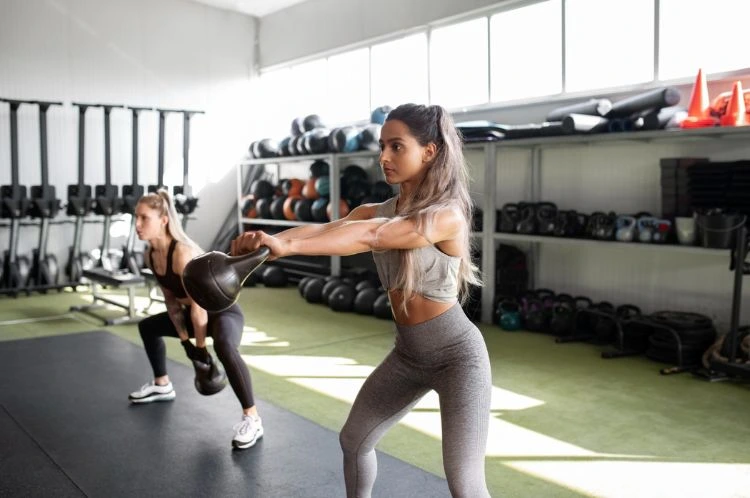
Surprising Fact: 47% of weightlifters in the USA are women, compared to just 17% in 2007.
More and more women have started to realize that strength training and weightlifting are not only for men. Social media and the internet have played a huge role in this rise, but as we all know, the internet is a double-edged sword.
Along with empowering and motivational videos and blogs, the internet is also filled with numerous misconceptions related to strength training and weight training for women. Unfortunately, most videos and blogs spreading misinformation lack scientific evidence.
This blog is my way of helping women by bursting these misconceptions and providing them with science-backed information that can erase any confusion or anxiety in their mind related to strength training and weight lifting. We will also talk about the benefits of working out and answer some of the common questions.
Let’s get started.
Debunking the Myths: Common Misconceptions About Women and Strength Training
 Source: Freepik
Here are some of the most common myths about women:1: Strength training will make women bulky
2: Weightlifting isn’t feminine
3: Women should stick to cardio to lose weight
4: Lifting weights is dangerous for women
5: Older women shouldn’t lift weights
Most of these myths revolve around misinformation and unreliable studies. We will try to debunk these myths below in detail:
Myth #1: Strength training will make women bulky
Reality: This is one of the most pervasive myths. The fear of becoming “too muscular” is based on the misconception that women can easily build mass like men. The primary reason for men’s muscular bodies is testosterone.
Men generally produce 10 times more testosterone compared to women, which makes it much harder to develop muscle mass. Instead, strength training for women helps them develop lean muscle and improve their metabolism.
Myth #2: Weightlifting isn’t feminine
Reality: The idea that strength training is “unfeminine” is outdated. Strength doesn’t have a gender, and lifting weights is a form of self-empowerment. It challenges stereotypes and showcases the beauty of being strong, confident, and capable. It’s about feeling secure in your body and embracing your physical capabilities.
Another common misconception is that women should perform more repetitions with lower weights. The truth is, it completely depends on the strength of the woman and how long she has been working out. Like men, even women can benefit from lifting heavy weights.
Myth #3: Women should stick to cardio to lose weight
Reality: Cardio certainly has its place in a fitness routine; it’s great, but relying solely on it can limit progress. Cardio is amazing for burning fat, but it has very little contribution when it comes to building strength.
Strength training, on the other hand, not only builds muscle but also increases your resting metabolic rate, meaning you burn more calories even when you’re not exercising. This makes it a more efficient and sustainable method for fat loss compared to cardio alone. Best workout programs for women include a mix of cardio and strength training.
Myth #4: Lifting weights is dangerous for women
Reality: Any exercise carries some risk if done incorrectly, but with proper guidance and form, strength training is extremely safe. In fact, it helps to strengthen your bones, joints, and muscles, making you less prone to injuries in everyday life. It’s about starting with lighter weights and gradually progressing, allowing your body to adapt.
If you still think weight lifting for women is dangerous, ask guidance from trainers or experienced gym members. They are always ready to help anyone in need. If you feel intimidated by too many men, you can also try a gym for women, where you can be guided by a female trainer.
Myth #5: Older women shouldn’t lift weights
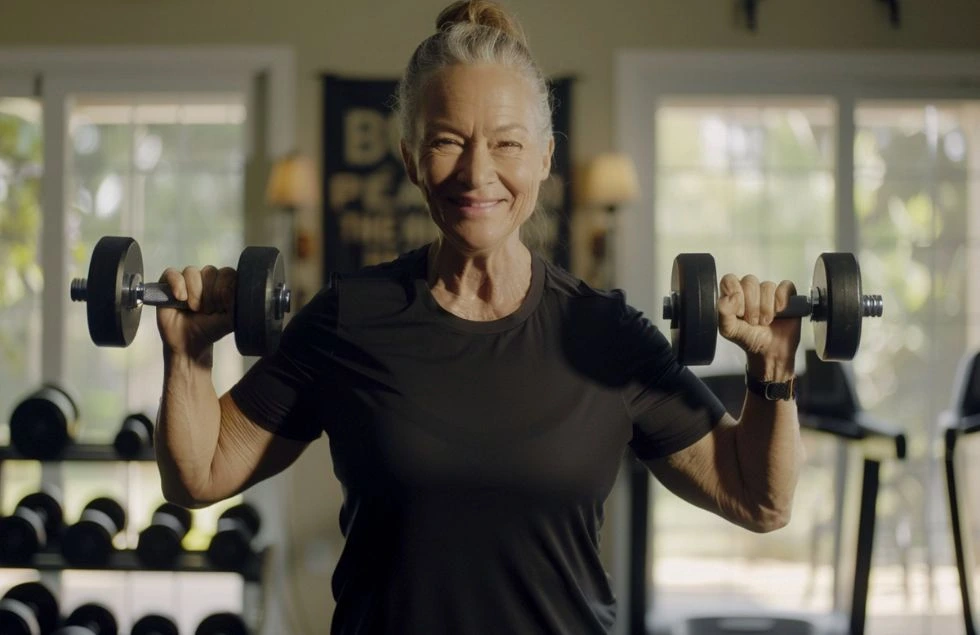
Reality: Strength training is essential for older women. As we age, we naturally lose muscle mass and bone density, which increases the risk of falls and fractures. Strength training helps maintain muscle strength, enhances balance, and improves overall quality of life, making it a vital component of healthy aging.
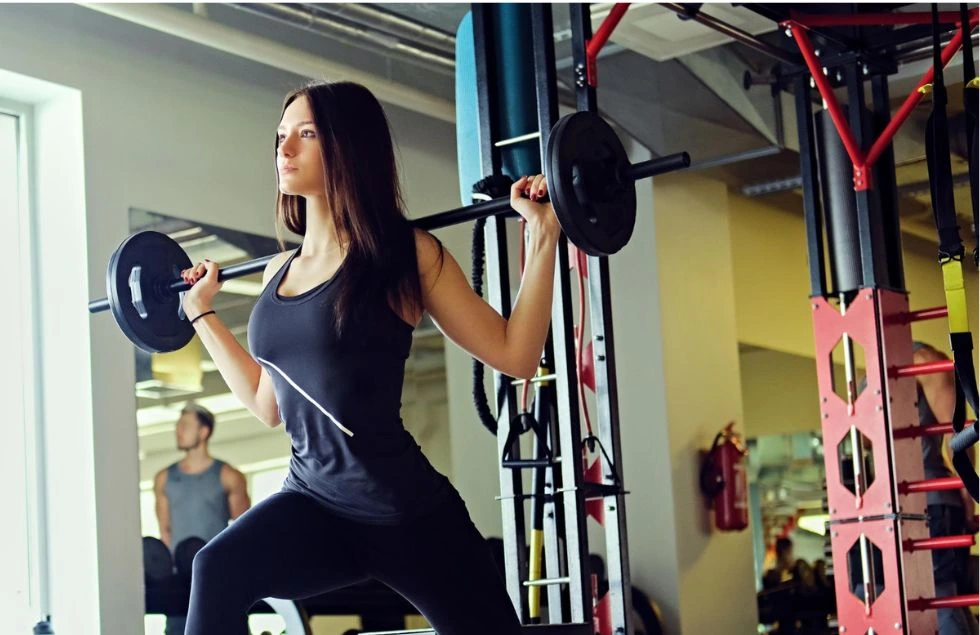
The Benefits of Strength Training for Women
 Source: Freepik
The benefits of strength training extend beyond just physical appearance. Here’s how it can transform your life, no matter your age:
For Younger Women
Boosts metabolism and fat loss: Muscle is metabolically active, meaning the more muscle you have, the more calories you burn throughout the day, even at rest.
Improves mental health: Lifting weights releases endorphins, reducing stress, anxiety, and depression, and contributing to better mental well-being.
Enhances athletic performance: Strength training improves overall athletic ability, making you stronger and more efficient in other sports or activities.
For Older Women
 Source: Freepik
Reduces the risk of chronic diseases: Regular strength training can lower the risk of heart disease, diabetes, and other chronic conditions.
Supports joint health: Building muscle around joints provides better support and stability, reducing pain and discomfort.
Improves cognitive function: Research shows that strength training can improve brain health, memory, and cognitive function in older adults.
How to Feel Comfortable in a Male-Dominated Gym and Alternatives
It’s natural to feel intimidated in a male-dominated gym, but remember, everyone started somewhere. Here are some tips that can help you feel more confident:
- Start with a plan: Know what exercises you’re going to do before you walk in. Having a structured workout for women plan can help you stay focused and less self-conscious.
- Take a friend: Working out with a friend can make the gym feel less intimidating and more enjoyable. It’s also a useful way to stay motivated and accountable.
- Learn proper form: One of the biggest confidence boosters is knowing you’re exercising correctly. Consider hiring a trainer for a few sessions to learn the basics or watch tutorials online.
Alternatives
If you still are not confident, you can start at home. You can check out workouts for women on YouTube and start working out at home. If you are a complete beginner, the best place to start can be cozy cardio.
It’s cardio, except it usually includes low-intensity exercises, peaceful music, and lightening and comfortable clothing. It is a good starting place, as you usually have to do low-intensity exercises, and it helps you generate consistency.
Another good form of workout, especially if you have a fight against time, is High Intensity Interval Training (HIIT). Completely opposite to cozy cardio, HIIT includes completing multiple high-intensity exercises in a given time (30 seconds to 1 minute). It usually includes a combination of cardio and strength exercises but can be personalized according to your health goals.
Here’s the best HIIT workout for women:
You can also buy dumbbell sets and start weight training at your house. There are plenty of videos and blogs available on the internet for setting gym routine for women.
Should You Exercise During Your Period?
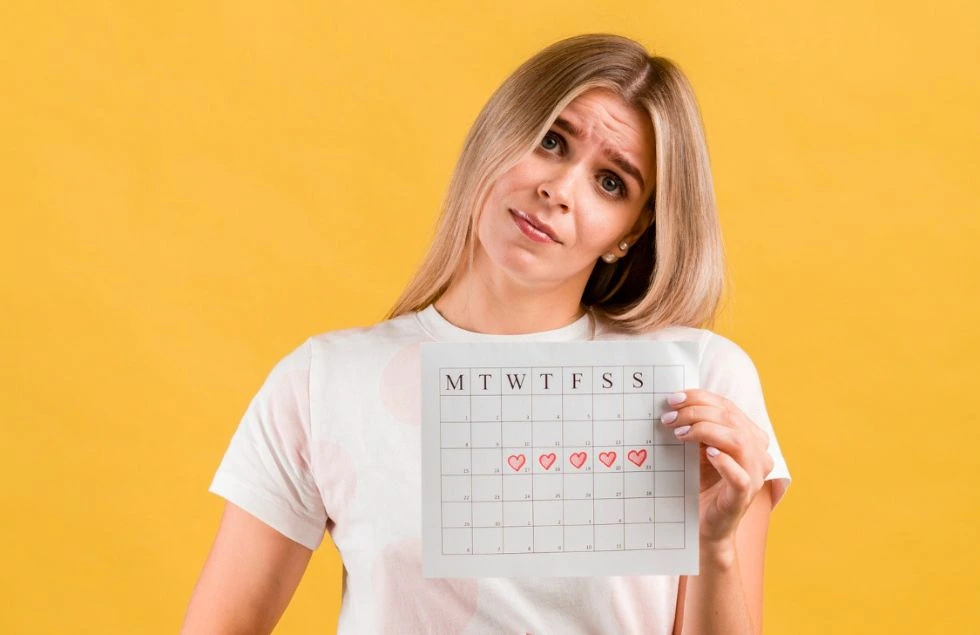
Exercising during your period might seem daunting. It’s the time women want to snuggle in the bed, wrapped in a warm blanket with a hot cup of hot chocolate. Not doing anything might seem like a good idea, but actually that is not the case.
Benefits of Working Out During Periods
- Reduces cramps: Physical activity helps increase blood circulation, which can reduce menstrual cramps and discomfort.
- Boosts mood: Exercise releases endorphins, the body’s natural painkillers and mood lifters, which can help combat mood swings and fatigue.
Recommended Exercises: Best workout plan for women during periods include
- Walking
- Yoga
- Light weight training
If you feel up to it, continue with your regular routine, but avoid pushing yourself too hard. Do not try lifting heavy weights or trying new exercises during these times.
When to Rest: If you’re experiencing heavy flow or severe pain, it’s okay to take a break. Listen to your body and give yourself permission to rest when needed.
Diet Plans for Women Engaged in Strength Training
A proper meal plan for muscle gain for a female is required to recover from your strength training.
Nutritional Requirements:
Protein: Aim for 0.8–1 grams of protein per kilogram of body weight. You can include rich protein sources like chicken, fish, eggs, tofu, and legumes.
Carbohydrates: This nutrient is extremely necessary for energy, especially before workouts. Opt for complex carbs like oats, quinoa, brown rice, and sweet potatoes, as they take longer time to digest, keeping you fuller for longer.
Fats: Include healthy fats like avocados, nuts, seeds, and olive oil for overall health and hormone regulation.
Sample Diet Plan:
- Breakfast: Oatmeal with berries, a spoonful of nut butter, and a sprinkle of chia seeds
- Mid-Morning Snack: A banana with a handful of nuts
- Lunch: Grilled chicken or tofu salad with mixed greens, avocado, and olive oil dressing
- Afternoon Snack: Greek yogurt with honey and almonds
- Dinner: Baked fatty fish with roasted veggies and quinoa
- Post-Workout: Protein shake or a boiled egg with a slice of whole-grain toast
Men vs. Women: Strength Training
| PARAMETERS |
MEN |
WOMEN |
| Muscle Growth | Men typically experience faster muscle growth due to higher levels of testosterone. | Women have lower testosterone levels, which results in slower muscle growth, but they can still gain lean muscle mass effectively with consistent training. |
| Muscle strength | Men generally have more upper body strength and can lift heavier weights, especially in the chest, shoulders, and arms. | Women tend to have greater lower body strength relative to their body weight and can excel in exercises targeting the legs and glutes. |
| Endurance | Men have higher muscle mass and larger muscle fibers, giving them greater absolute strength but potentially lower endurance in high-repetition exercises. | Women typically have more endurance and can perform more repetitions at a lower weight, making them capable of sustaining longer strength training sessions. |
| Bulking | Men have a higher tendency to gain significant muscle mass and may “bulk up” quickly with intense strength training. | Women are less likely to “bulk up” due to lower testosterone levels and usually develop lean, toned muscles with strength training. |
| Recovery | Men may need longer recovery periods due to greater muscle fatigue from heavy lifting. | Women often recover faster between strength training sessions, allowing for more frequent training without excessive fatigue. |
Conclusion
Strength training offers incredible physical and mental benefits for women of all ages. By overcoming misconceptions, embracing the power of lifting, and understanding how to fuel your body, you can build not just a stronger physique, but also a more confident and resilient mindset.
So, take that step, challenge your limits, and remember: strength is not just about how much you can lift but about the courage to start. You’ve got this!
You can check out Stay Healthy Stay Fit to excel in your journey of health and fitness.
FAQs
1. How much weight should a woman lift in the gym?
The amount of weight a woman should lift depends on her fitness level, experience, and goals. Beginners should start with lighter weights (around 2-5 kg) to ensure they maintain proper form and prevent injury. As you build strength, gradually increase the weight, aiming for a weight that feels challenging but allows you to complete 8-12 repetitions with good form.
2. Can women strength train at home without gym equipment?
Yes, women can absolutely strength train at home without gym equipment. Here are some of the workouts women can try:
- Cardio
- HIIT
- Bodyweight training like pushups, squats and lunges
- Rucking
- Pilates
These are extremely effective exercises for women who don’t have gym membership or wish to workout without equipments.
3. How long does it take to see results from strength training for women?
The time it takes to see results from strength training varies from person to person, but most women start noticing changes within 4-6 weeks of consistent training. Initially, you may experience increased muscle tone, improved strength, and better endurance. Visible muscle definition and significant strength gains usually become more noticeable after 8-12 weeks, especially when combined with a balanced diet and regular cardio.
4. What is the best way to combine cardio and strength training for women?
The best way to combine cardio and strength training is to alternate between the two to ensure a balanced workout routine. You can do strength training 3-4 days a week and cardio on the remaining days. Alternatively, you can combine both in a single session by starting with strength training followed by 20-30 minutes of cardio. This approach helps build muscle, burn fat, and improve overall fitness without overworking your body.
5. How often should women work out?
Women should aim to work out at least 3-5 times a week for optimal results. This can include 2-3 strength training sessions and 2-3 cardio sessions, allowing time for the body to rest and recover. Rest days are crucial to prevent burnout and reduce the risk of injury, so make sure to include at least one or two days of rest or light activity like yoga or stretching.
