

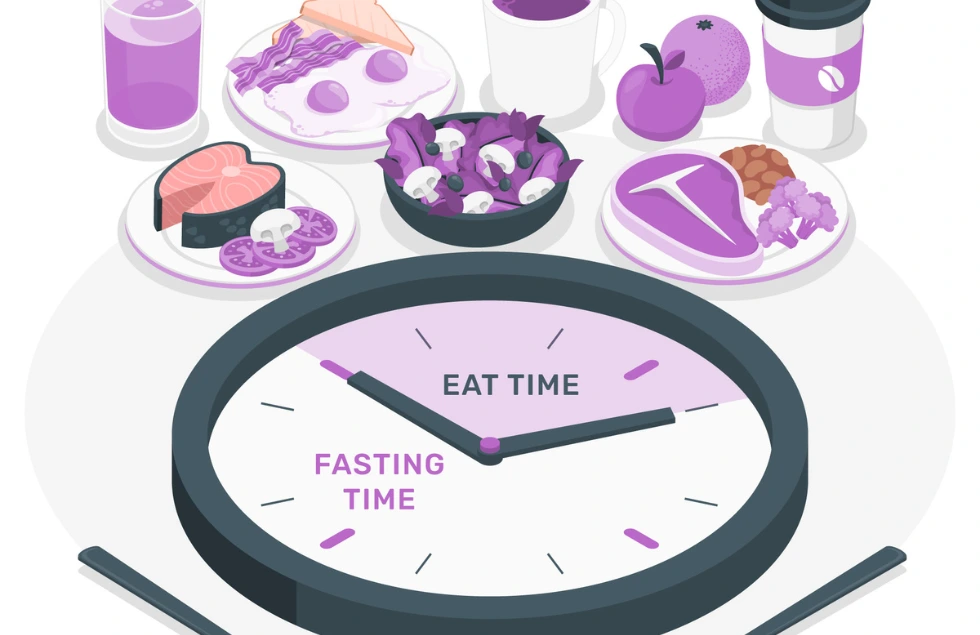
Struggling with excessive weight, weak metabolism, or poor digestive system? One practice that can help you improve all three of these problems is Intermittent Fasting.
In today’s world of health trends and wellness strategies, it’s easy to feel overwhelmed by all the diets and fitness plans available. However, intermittent fasting (IF) stands out as a practice that’s more about when you eat rather than what you eat.
This blog will talk about the basics of intermittent fasting, the difference between traditional calorie-restricted diets and intermittent fasting, and how you can start your own fasting journey. We’ll also explore the different types of intermittent fasting, who it’s best suited for, and debunk some common myths. Let’s get started!
What is Intermittent Fasting?
According to Science Direct, ‘Intermittent fasting is the practice of abstaining from or significantly reducing food intake for a set period of time.’
You can divide intermittent fasting into two windows: an eating window and a fasting window. You cannot consume any calories during the fasting window. This allows your body to tap into stored fat for energy. As your body starts consuming fats for energy during the fasting, it helps you with weight management and may even improve other aspects of your health, such as insulin sensitivity and digestion.
The best thing about intermittent fasting is that it does not restrict you from eating specific food items. It does not dictate what you eat, unlike most diet plans. This can give you more freedom to enjoy the foods you love while still reaping the benefits of a fasting routine.
Intermittent Fasting vs. Calorie Restriction
Many people confuse intermittent fasting with calorie restriction, but they are two very different approaches to eating. While calorie restriction focuses more on how many calories you consume daily, intermittent fasting is more focused on the eating window without caring much about calories. Here are some common differences that can be observed:
| Aspect | Intermittent Fasting | Calorie Restriction |
| Eating Pattern | In intermittent fasting the focus is on the timing of meals rather than food type or portion sizes. | In a calorie restricted diet calorie intake is restricted consistently every day, regardless of timing. |
| Focus | The primary focus is on controlling when you eat to give your body periods of fasting. | The focus is on reducing the number of calories consumed daily, typically to promote weight loss. |
| Flexibility | Offers more flexibility in meal timing. You can choose an eating window that suits your schedule. | Less flexible because calorie restriction requires constant attention to portion sizes and calories. |
| Metabolic Effects | Encourages metabolic flexibility by forcing the body to switch from using glucose to fat for energy during fasting periods. | Prolonged calorie restriction can lead to a slowdown in metabolism as the body adapts to a lower intake of calories. |
| Sustainability | As there is no restriction on what you eat or how much, many people find intermittent fasting more sustainable. | It is often difficult to sustain for a longer period of time as you might have to skip on your favorite food items for a longer period of time. |
Types of Intermittent Fasting
Whether it’s workout or diet, there is no one fixed way or technique. Trainers and dietitians always try to form a plan according to your body type and long-term goal. The same is true for intermittent fasting. Different types of intermittent fasting cater to different lifestyles and preferences. Here are the most popular methods:
 Source: Freepik
16/8 Method
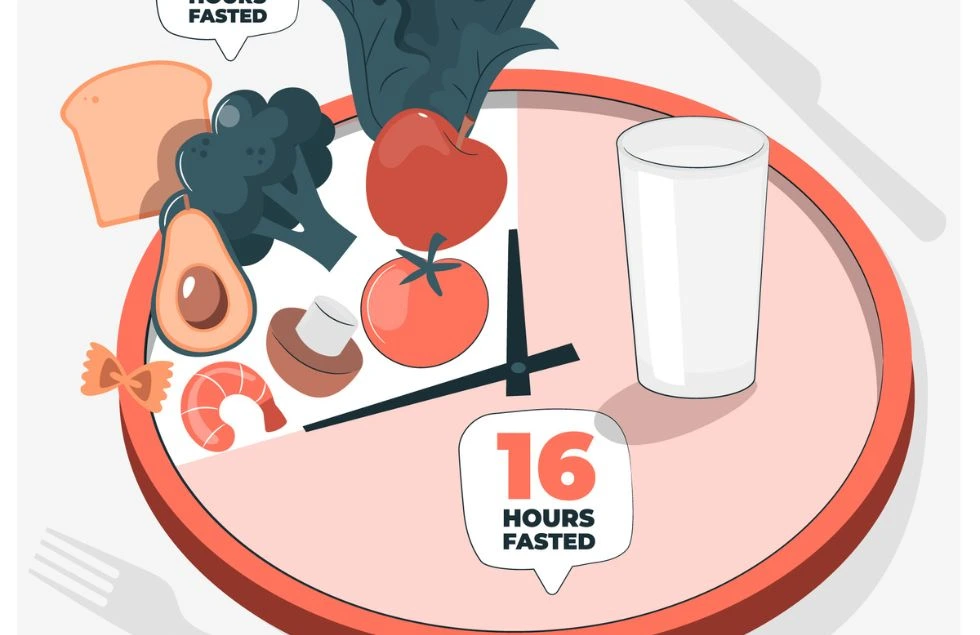
One of the most widely practiced forms of intermittent fasting is the 16/8 method. It involves fasting for 16 hours and eating during an 8-hour window. An 8-hour eating window is insufficient for three full meals, and it is inevitable to skip one.
If you want to skip breakfast, keep the eating window between 12 pm and 8 pm or 1 pm and 9 pm.
If you are okay to skip dinner, you can choose the eating window between 9 am and 5 pm.
Benefits of the 16/8 method:-
- Extended life span
- Fat loss
- Reduced risk of several diseases like type 2 diabetes and heart conditions.
5:2 Diet
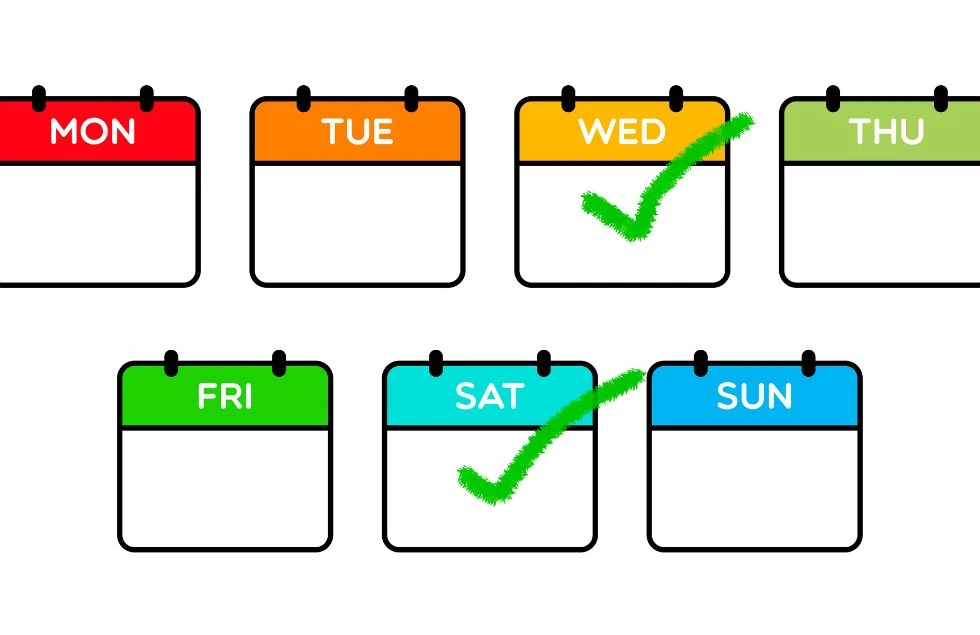
The 5:2 diet offers more flexibility. You can eat normally five days a week and significantly reduce your calorie intake to 500-600 calories on two non-consecutive days. You have the freedom to choose the days according to your lifestyle. You can choose one weekday and one weekend. This method doesn’t require daily fasting but still allows you to experience the benefits of intermittent fasting on fasting days.
 Source: Freepik
The 5:2 diet offers more flexibility. You can eat normally five days a week and significantly reduce your calorie intake to 500-600 calories on two non-consecutive days. You have the freedom to choose the days according to your lifestyle. You can choose one weekday and one weekend. This method doesn’t require daily fasting but still allows you to experience the benefits of intermittent fasting on fasting days.
Benefits of the 5:2 method:-
- Reduced inflammation and joint pain
- Improved gut health
- Enhanced brain function
Eat-Stop-Eat
Eat-Stop-Eat involves fasting for a full 24 hours, once or twice a week. For example, you might finish dinner at 7 PM and not eat again until 7 PM the next day. We suggest you start this type of intermittent fasting only if you are comfortable with the 16/8 method, as transitioning from 16 hours to 24 hours may not be very challenging.
Benefits of eat-stop-eat:
- Does not require food restrictions
- Helps with fat loss
- Improved metabolic health
Other types include alternate-day fasting and warrior fasting.
How to Start Your Intermittent Fasting Journey
Starting intermittent fasting can feel like a daunting task, but it doesn’t have to be. The key to success is easing into the process and finding the right method that suits your lifestyle. Here are some tips before you start your fasting journey.
- Choose a Method That Suits You: If you’re new to intermittent fasting, the 16/8 method is a fantastic starting point. You can adjust it based on your preferences, making it one of the easiest to follow.
- Start Slowly: Don’t jump into a 24-hour fast if you’re just beginning. The goal is to not eat after a longer period of time; it is to maintain the diet plan for a longer period of time. Start with a shorter fasting window, such as 12 hours, and gradually extend it to 14 or 16 hours as you become more comfortable.
- Stay Hydrated: Drinking plenty of water is essential during fasting periods. Non-caloric beverages like herbal tea or black coffee can also help curb hunger.
- Eat Nutrient-Dense Meals: When it’s time to eat, focus on whole, nutrient-dense foods that will keep you full and energized. While there is no such role about the type of diet, try balancing proteins, healthy fats, and complex carbohydrates for sustained energy.
- Listen to Your Body: Intermittent fasting is meant to be flexible. If you feel fatigued or unwell, adjust your fasting schedule accordingly. The goal is to find a rhythm that works for you.
There is a high chance you will fail after you undertake your fasting journey. Learn from your mistakes. You can change the time for your eating window or try different types of fasting.
Who Should and Shouldn’t Do Intermittent Fasting?
Intermittent fasting isn’t suitable for everyone. While it offers many benefits, it’s important to understand who may benefit from IF and who should avoid it.
Who Should Try Intermittent Fasting:
- People are looking to manage their weight without obsessively tracking calories.
- People with hectic schedules tend to opt for smaller meals and extended intervals between meals.
- Those interested in improving metabolic health or supporting digestion.
Who Should Avoid Intermittent Fasting:
- Women who are pregnant or breastfeeding have greater nutritional requirements.
- Fasting can trigger unhealthy eating behaviors in individuals with a history of eating disorders.
- People with certain medical conditions (like diabetes) should consult their healthcare provider before starting IF to ensure it’s safe for them.
Does Intermittent Fasting Help with Weight Loss?
 Source: Freepik
One of the most well-known benefits of intermittent fasting is its potential for weight loss. Logically, if you eat less, you are bound to lose weight. When fasting, your body uses stored fat for energy, promoting weight loss without the need for strict calorie counting. Here are some of the stats based on scientific research:
- 1 year of alternate day fasting has shown to reduce weight loss by 6%.
- 3 months of the 16/8 method have shown to reduce the weight by 3%.
- The Annual Review analyzed 16 research papers published on intermittent fasting and came to the conclusion that every type of intermittent fasting will result in weight loss.
Impact of Intermittent Fasting Along with Regular Exercise
Combining intermittent fasting with regular exercise can boost your results, as fasting promotes fat burning and exercise helps build muscle. However, it’s essential to time your workouts strategically, especially when fasting:
- Fasted Workouts: Some people enjoy doing cardio in a fasted state (usually before breakfast). This may enhance fat burning, but it’s important to listen to your body and not push yourself too hard.
- Post-Workout Nutrition: If you’re doing strength training, plan your meals around your workout. Consuming a protein-rich meal after exercise can support muscle recovery and growth.
Stay Hydrated: Make sure to drink plenty of water before, during, and after workouts to.
Myths About Intermittent Fasting
Like any popular trend, intermittent fasting comes with its share of myths. Here are a few common misconceptions and the truth behind them:
Myth 1: “Intermittent fasting will slow down your metabolism.”
Truth: Short-term fasting does not slow your metabolism; in fact, studies suggest that it can slightly increase your metabolic rate during fasting periods.
Myth 2: “Fasting causes muscle loss.”
Truth: Muscle loss is unlikely with intermittent fasting, especially if you consume adequate protein during the eating window and engage in regular strength training.
Myth 3: “You can eat anything during your eating window.”
Truth: While intermittent fasting provides flexibility, it’s still essential to focus on whole, nutritious foods. Eating junk food during your eating windows can negate the benefits of fasting.
Final Thoughts
Intermittent fasting offers a flexible, adaptable way to improve health and manage weight. It’s not a one-size-fits-all solution, but it’s worth trying if you’re looking for a sustainable lifestyle change. Whether you choose the 16/8 method, the 5:2 diet, or another form of IF, consistency and mindful eating are key to success.
Before starting any new health regimen, we would suggest you consult with a healthcare expert to ensure it aligns with your personal health needs. Intermittent fasting can be a powerful tool for those who find the right balance, so take your time and listen to your body as you embark on your fasting journey.
If you are looking for more blogs related to health and fitness, you can check out Stayfit Stayhealthy.
